Parent helping kindergarten child learn to read at home
How to Teach Reading to Kindergarten at Home?

Content
Want to know something amazing? You can absolutely teach your kindergartener to read—even if you've never taught anyone anything before.
I get it. The whole thing feels overwhelming. You're not a trained teacher. You don't have lesson plans or fancy materials. Maybe you're worried about doing it "wrong" and somehow messing up your kid's reading future.
Take a breath. Here's what actually matters: consistency, a few simple techniques, and making books part of your everyday life. That's it. You don't need a teaching certificate or a $300 curriculum.
Your five- or six-year-old is already wired for language learning right now. Their brain is literally built for this stage of development. What they need isn't a professional instructor—they need you, showing up regularly with books and patience.
This guide will show you practical methods that work in real homes with real kids. No education jargon. No expensive programs. Just real strategies you can start using today.
Understanding How Kindergarteners Learn to Read
Reading doesn't just "click" one day. It builds slowly, piece by piece.
Walk into any kindergarten classroom in September, and you'll see kids all over the map. One child might already sound out simple words. Another might not recognize a single letter yet. Guess what? Both are completely normal.
Here's the typical progression: In fall, most kindergarteners can spot their own name and maybe recognize "STOP" on signs. By spring, many can decode three-letter words like "cat" and read predictable books with help. Some kids race ahead of this timeline. Others take longer. Neither path predicts who'll be the better reader in third grade.
Watch for these readiness signs: Your child asks about letters, pretends to "read" books, knows a handful of letters (especially from their name), understands that squiggles on paper mean something, and notices when words rhyme. These tell you they're ready for more structured practice.
Here's something crucial that trips up tons of parents: sound work comes before letter work. Your child needs to hear that "dog" has three separate sounds (/d/ /o/ /g/) before they can match those sounds to letters. That's why rhyming games and sound activities matter so much early on.
Some kindergarteners are reading independently by June. Others are still mastering basic letter sounds. Both can become excellent readers. Pushing too hard too fast usually backfires—you end up with a kid who hates reading.
Your job? Create a home where books are everywhere, where reading matters, where your child sees you reading for pleasure. Supporting reading development at home means making literacy feel natural, not forced.
Kids develop reading habits when they see reading as enjoyable rather than obligatory. Research consistently shows this: children who watch their parents read voluntarily become more enthusiastic readers themselves.
Essential Phonics Activities You Can Do at Home
Phonics just means matching letters to sounds. Once kids grasp this, they can decode new words instead of memorizing everything.
Teaching phonics at home doesn't require buying anything fancy. Start simple, then build.
Author: Hannah Whitaker;
Source: raynet-merseyside.net
Letter Recognition Games
Before phonics works, kids need to instantly recognize letters. Make it fun.
Try letter scavenger hunts around your house. "Find three things that start with B." Your child might grab a book, banana, and their brother's baseball cap. This connects abstract symbols to real stuff they can touch.
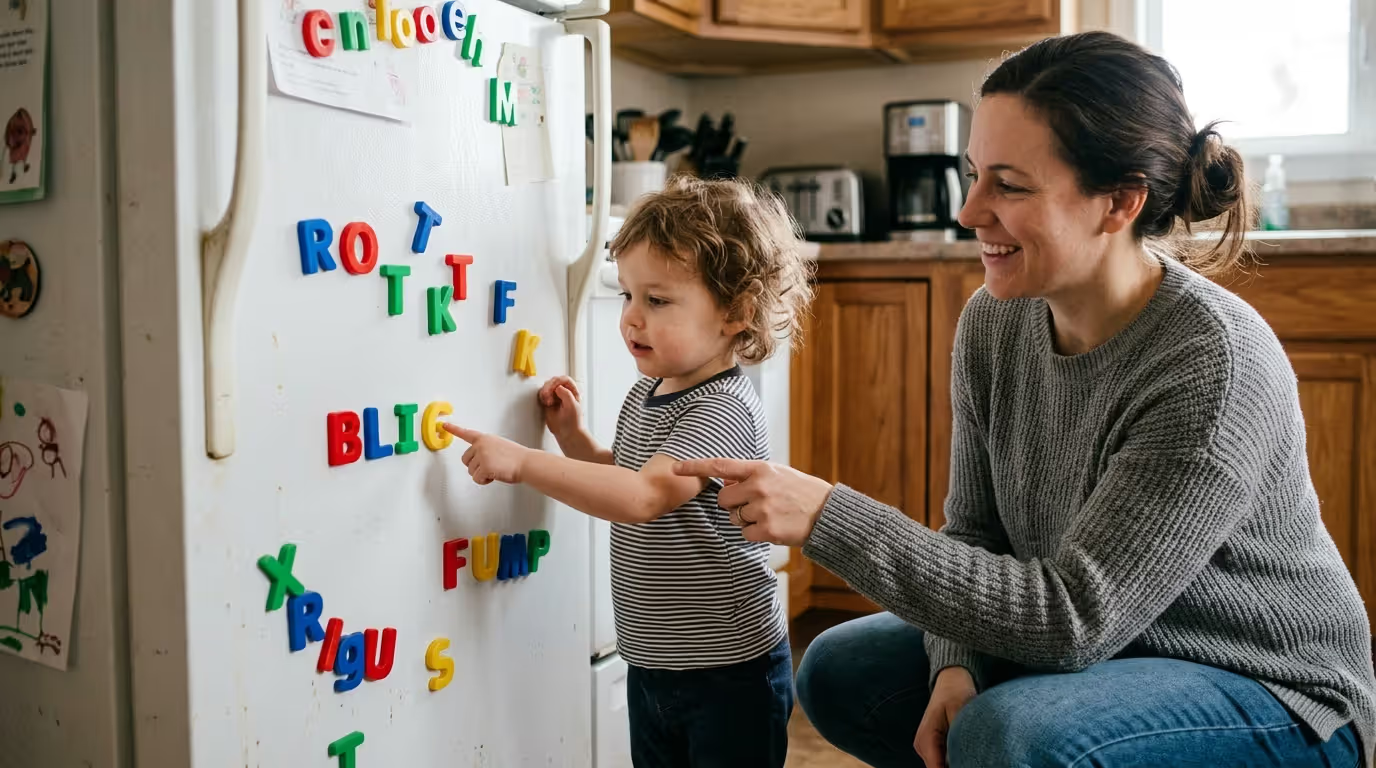
Stick magnetic letters on your fridge. Spell your child's name. Spell "pizza" or "cookie." Let them rearrange letters while you talk about the sounds.
Turn observation into a game using initial sounds. "Can you spot something in this room beginning with /m/?" Watch as they search for markers, mittens, or magazines. This strengthens those sound-symbol connections without worksheets.
Get tactile. Form letters in sand, shaving cream, or playdough. The physical movement helps their muscles remember letter shapes.
Keep sessions short. Ten focused minutes beats thirty minutes of tears.
Sound Blending Practice
Blending turns phonics knowledge into actual reading. Your child learns to push sounds together into words.
Start with two-sound words. Say "/g/ /o/" slowly, then faster until it sounds like "go." Have your child try. This is harder than it looks for beginners.
Use simple word families: -ug, -ed, -in, -ot. Once your child blends "bug," they can usually handle "rug," "mug," and "hug" without much help.
Try sound stretching. Say a word super slowly, dragging out each sound: "rrruuunnnn." Ask your child to squish it together. Then switch—you say "run" and they stretch it out.
Add movement. Jump once for each sound in a word, then say the whole word. Clap out sounds. Tap them on the table. Physical activity helps lots of kids grasp abstract language concepts.
Practice nonsense words. If your child can blend "zup" or "teg," they're truly decoding—not just remembering words they've seen before.
These teaching reading at home tips work because they're playful and interactive. Kids don't realize they're learning—they think they're playing.
Shared Reading Strategies That Build Skills
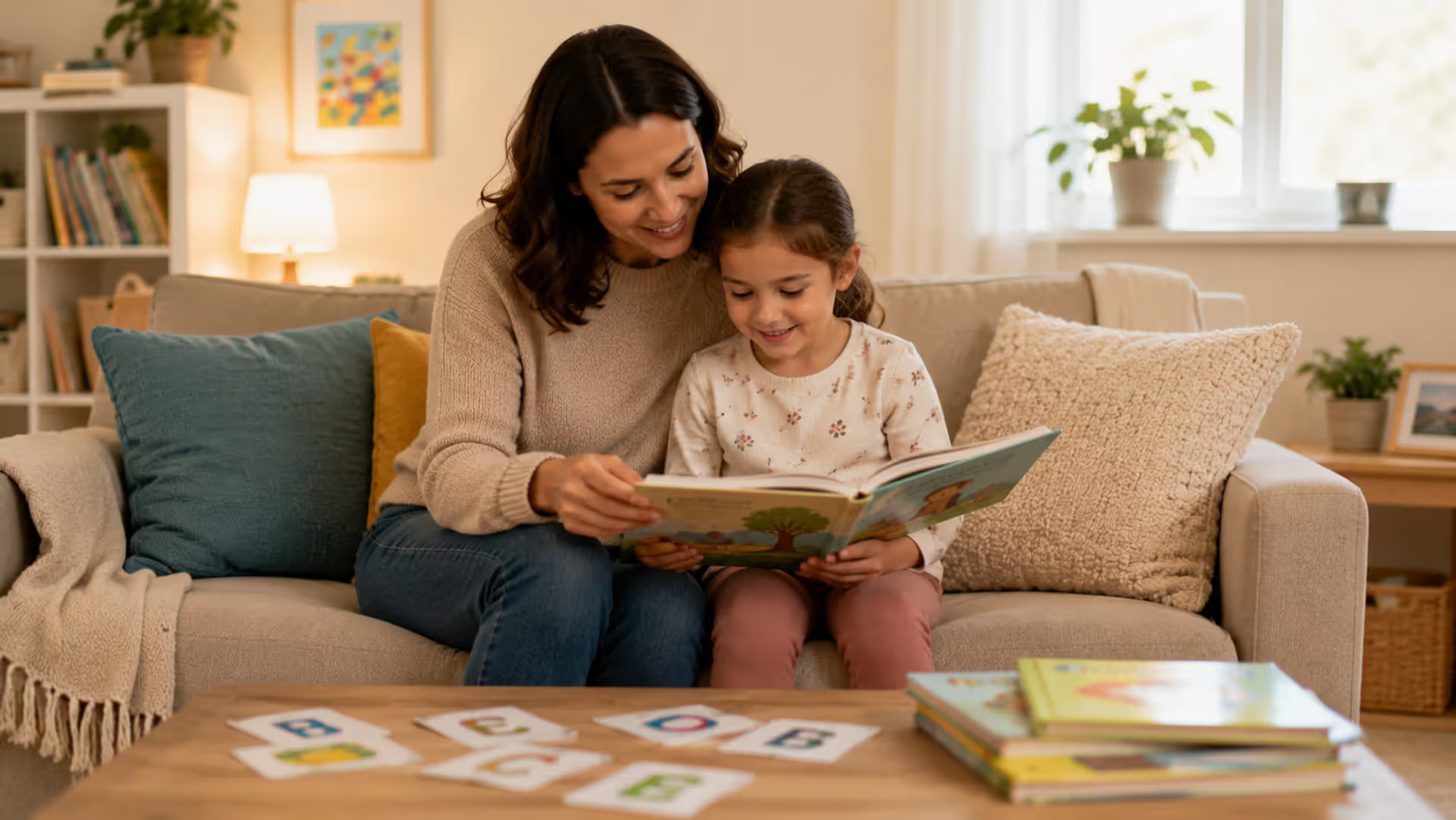
Reading aloud to your kindergartener might be the single most powerful thing you can do for their literacy. The approach you take transforms passive listening into active learning.
Author: Hannah Whitaker;
Source: raynet-merseyside.net
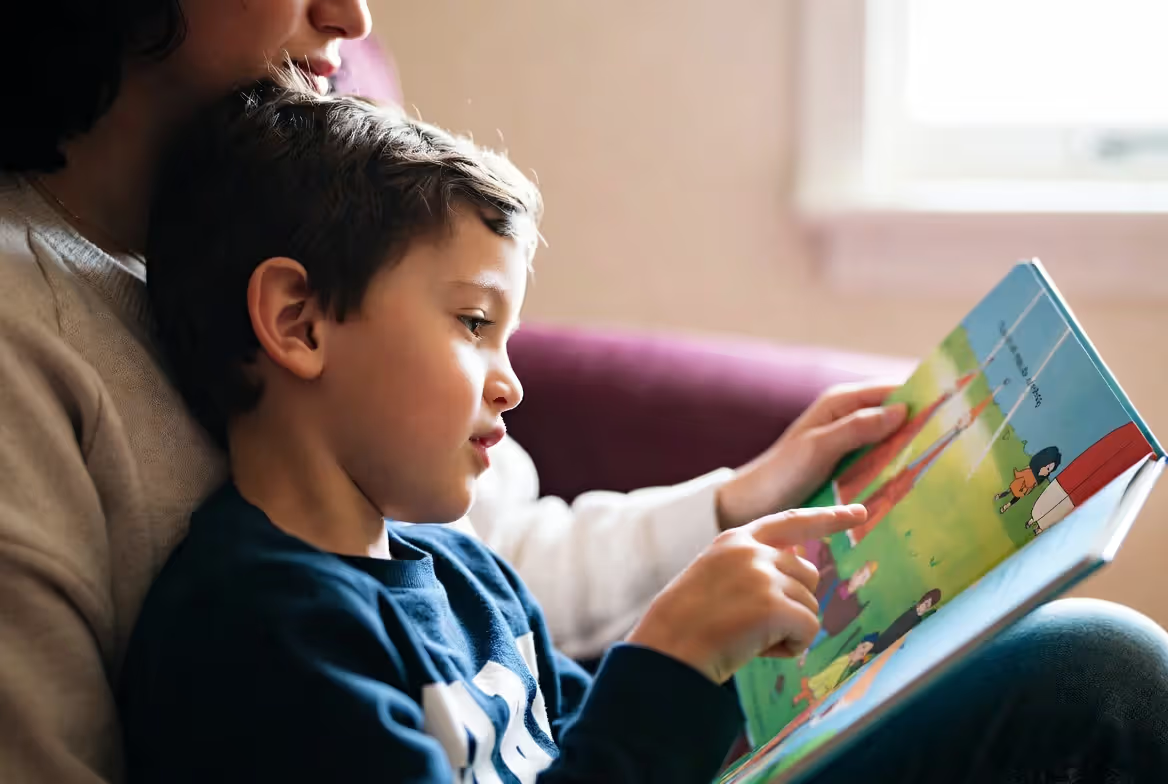
Shared reading means engaging with books together, not just listening passively.
Choose books that challenge your child just beyond their current ability. They should grasp the main story while encountering new vocabulary. This zone of challenge promotes growth without causing frustration.
Before you start, do a picture walk. Flip through the illustrations together and talk about what you see. "What do you think might happen based on these pictures?" This activates background knowledge and builds anticipation.
While reading, pause occasionally for open-ended questions. Don't quiz—have real conversations. "Why do you think she did that?" or "What would you do in that situation?" These discussions build comprehension beyond just recognizing words.
Point to words as you read. This shows you're reading the print, not making up the story from pictures. It also reinforces left-to-right progression and one-to-one word matching.
Let your child "read" parts they know. Repeated phrases, predictable patterns, or rhyming sections give them chances to participate successfully.
Reading aloud benefits extend way beyond literacy. You're building vocabulary, developing background knowledge, increasing attention span, and strengthening your relationship. Books expose your child to ideas and experiences they wouldn't encounter otherwise.
How to read with your child effectively means responding to their cues. When they're engaged and curious, slow down and explore those interests. When they're fidgety, maybe the book's too long or too hard. Switch to something else.
Reread favorites over and over. Repetition doesn't bore kindergarteners—it comforts them and reinforces learning. Every time through, your child notices something different and builds deeper understanding.
Children who experience frequent read-alouds develop richer vocabularies, stronger comprehension skills, and more positive attitudes toward books than children with limited exposure. Of all the activities supporting the knowledge base required for eventual reading success, reading aloud to young children is the most important.
— Adams Marilyn Jager
Creating a Daily Reading Routine
For developing reading habits in children, consistency beats intensity every time. Twenty minutes daily trumps one-hour sessions once a week.
The best reading schedule is the one you'll actually stick to. That means finding a time that fits your family's schedule and your child's energy level.
Many families default to bedtime reading, and for good reason. It works.
Author: Hannah Whitaker;
Source: raynet-merseyside.net
Building a Before-Bed Reading Habit
A before-bed reading routine signals the day's winding down. It creates calm, coziness, and predictability—all things that help children transition to sleep.
Start about 30 minutes before lights-out. This gives you unhurried time without rushing.
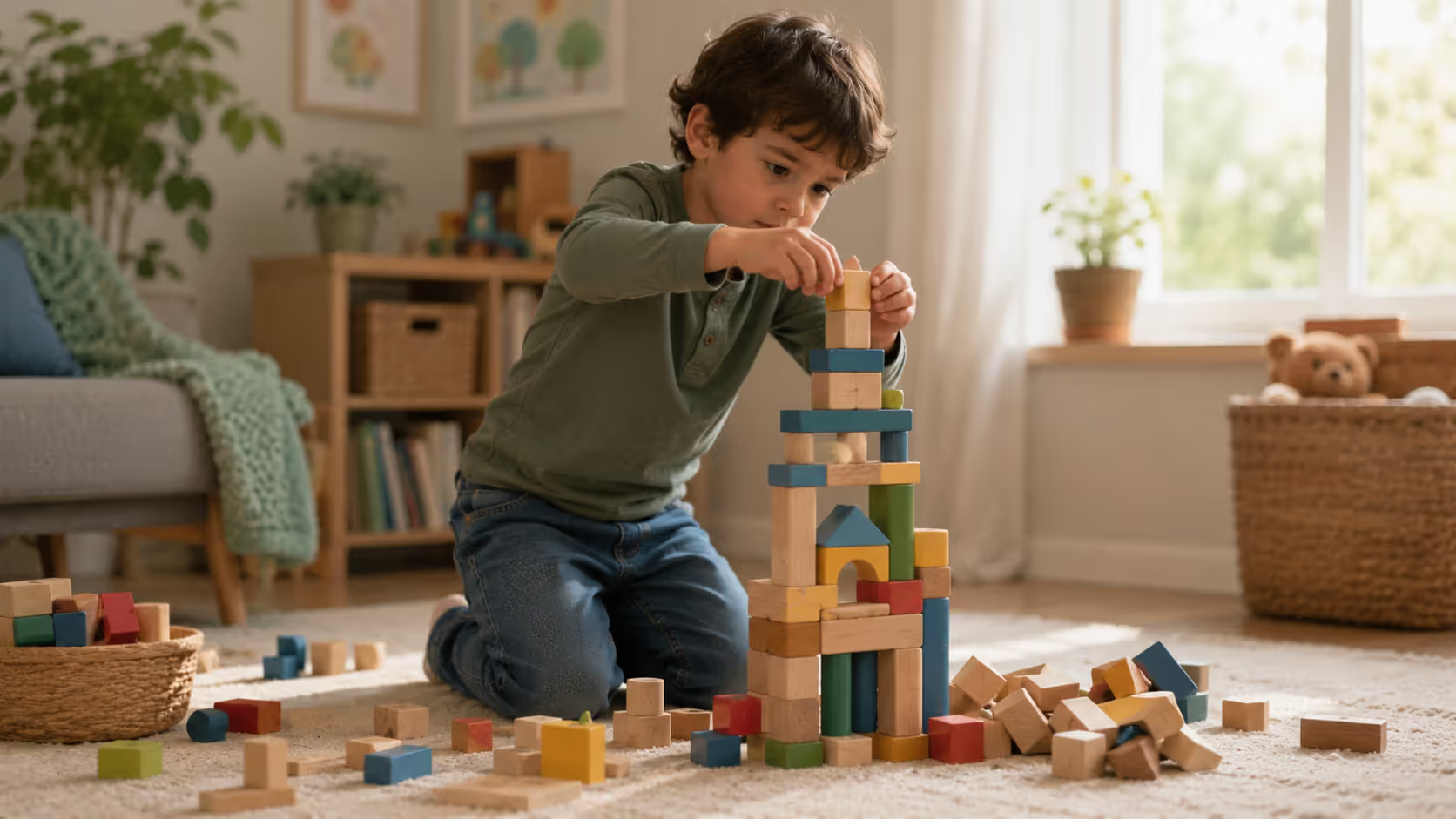
Create a comfortable reading spot. A bed, couch, pile of pillows on the floor—wherever your child feels relaxed.
Let your child choose books (within reason). Ownership increases engagement. Even if they pick the same book five nights running, that's fine. Repetition builds fluency.
Keep the routine consistent. Same time, same place, same sequence. Predictable patterns create security, and secure children are more open to learning.
But bedtime isn't your only option. Some kids are too tired for evening focus. Morning reading during breakfast works for some families. After-school reading provides a calm transition between school and home. Weekend sessions can be longer and more exploratory.
The key is daily exposure. Reading should feel as automatic as brushing teeth.
Aim for at least 15-20 minutes. For kindergarteners, this might mean two or three short books or one longer picture book.
Don't make it feel like homework. If your child resists, back off and try again later. When reading becomes a battle, you risk creating long-term negative feelings about books.
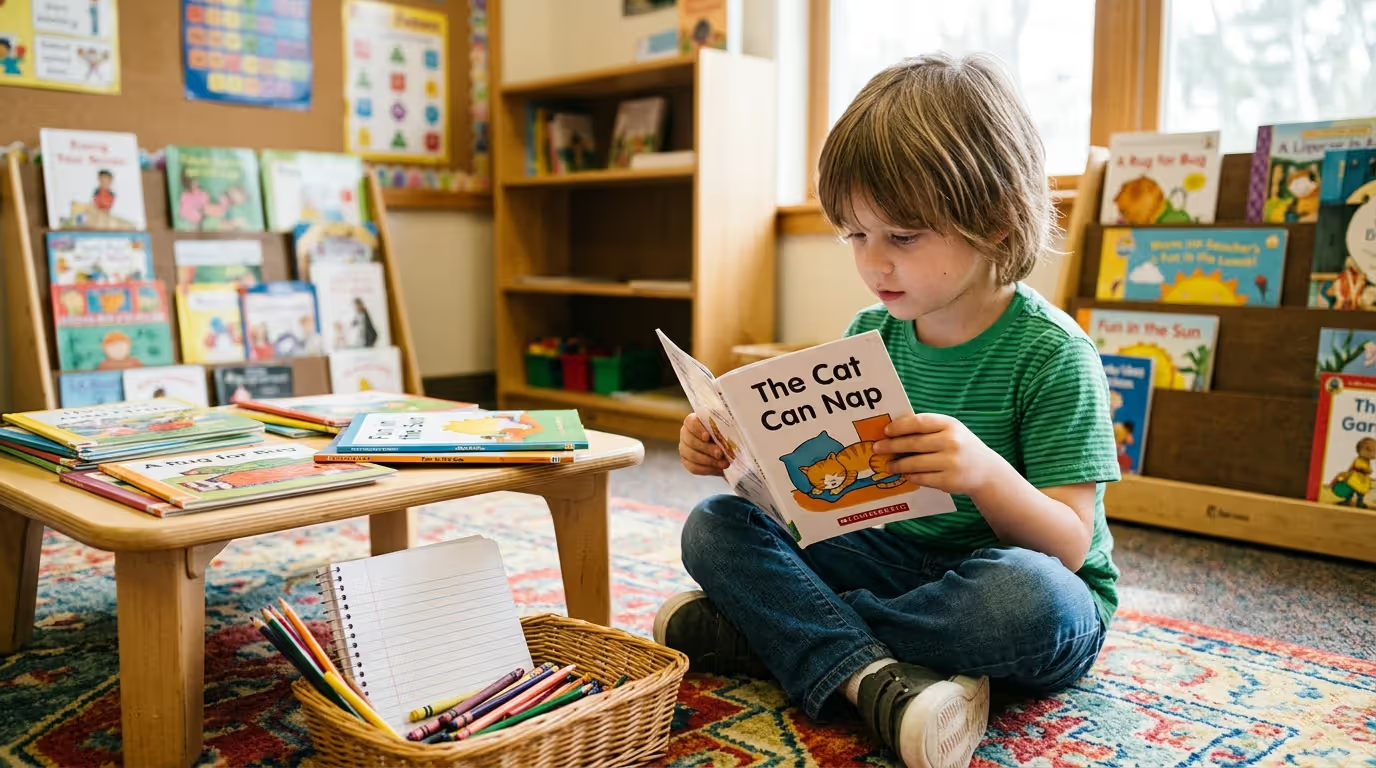
Mix up the format. Sometimes you read to them. Sometimes they "read" to you (even if they're just retelling the story from pictures). Sometimes you take turns reading pages.
Parent-Led Activities That Support Reading Development
Reading instruction happens beyond book time. Lots of everyday experiences build skills kindergarteners need for literacy success.
Parent reading activities fit naturally into regular routines without feeling like extra work.
Do environmental print walks. Point out signs, labels, and logos during errands. "What does that say?" Your child might recognize "Target" or "Exit" from context and visual cues. That's emergent literacy.
Cook together and read recipes. Even simple tasks like following picture-based snack instructions build sequencing skills and print awareness.
Write together. Let your child dictate a story while you write it down, then read it back together. Or have them write thank-you notes, shopping lists, or labels for their artwork. Writing and reading develop together.
Visit your library regularly. Make it an event. Help your child get their own library card (kindergarteners think this is a big deal). Attend story time when available. Explore different genres and formats—picture books, early readers, nonfiction, poetry.
Use educational apps sparingly. Quality digital tools can reinforce phonics and sight words through game-like activities. But screen time shouldn't replace human interaction or physical books. Limit to maybe 20 minutes a week.
Play word games during car rides or waiting rooms. "Name an animal that starts with /b/." Or "Think of words that rhyme with 'cat.'"
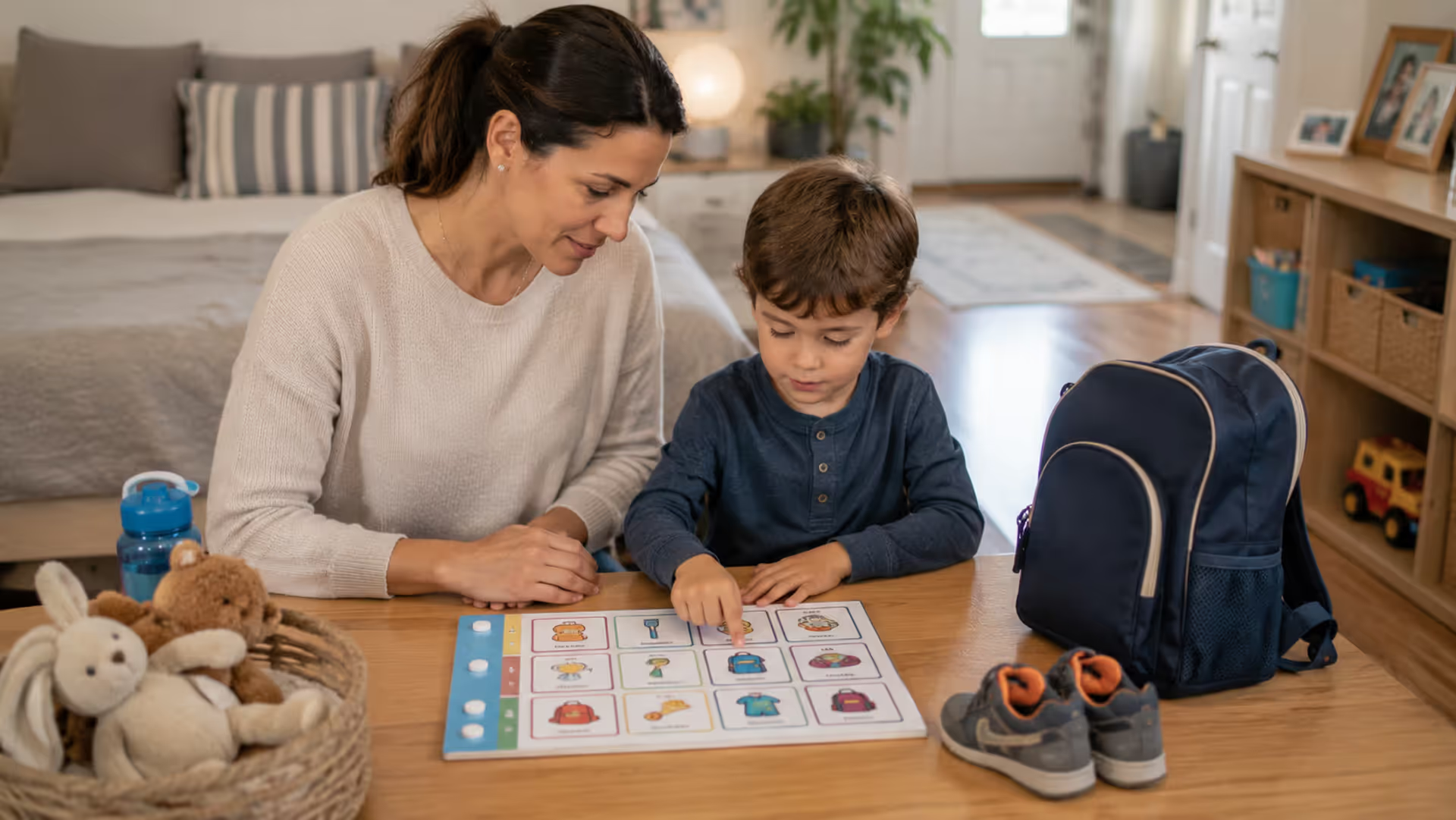
Label objects around your house. Put word cards on doors, windows, furniture. Your child starts recognizing these words in context, building sight vocabulary.
These teaching reading at home tips work because they integrate into daily life. Reading becomes part of who your family is, not just a 15-minute activity.
Common Mistakes Parents Make When Teaching Reading
Well-meaning parents sometimes sabotage their own goals. Here's what to avoid.
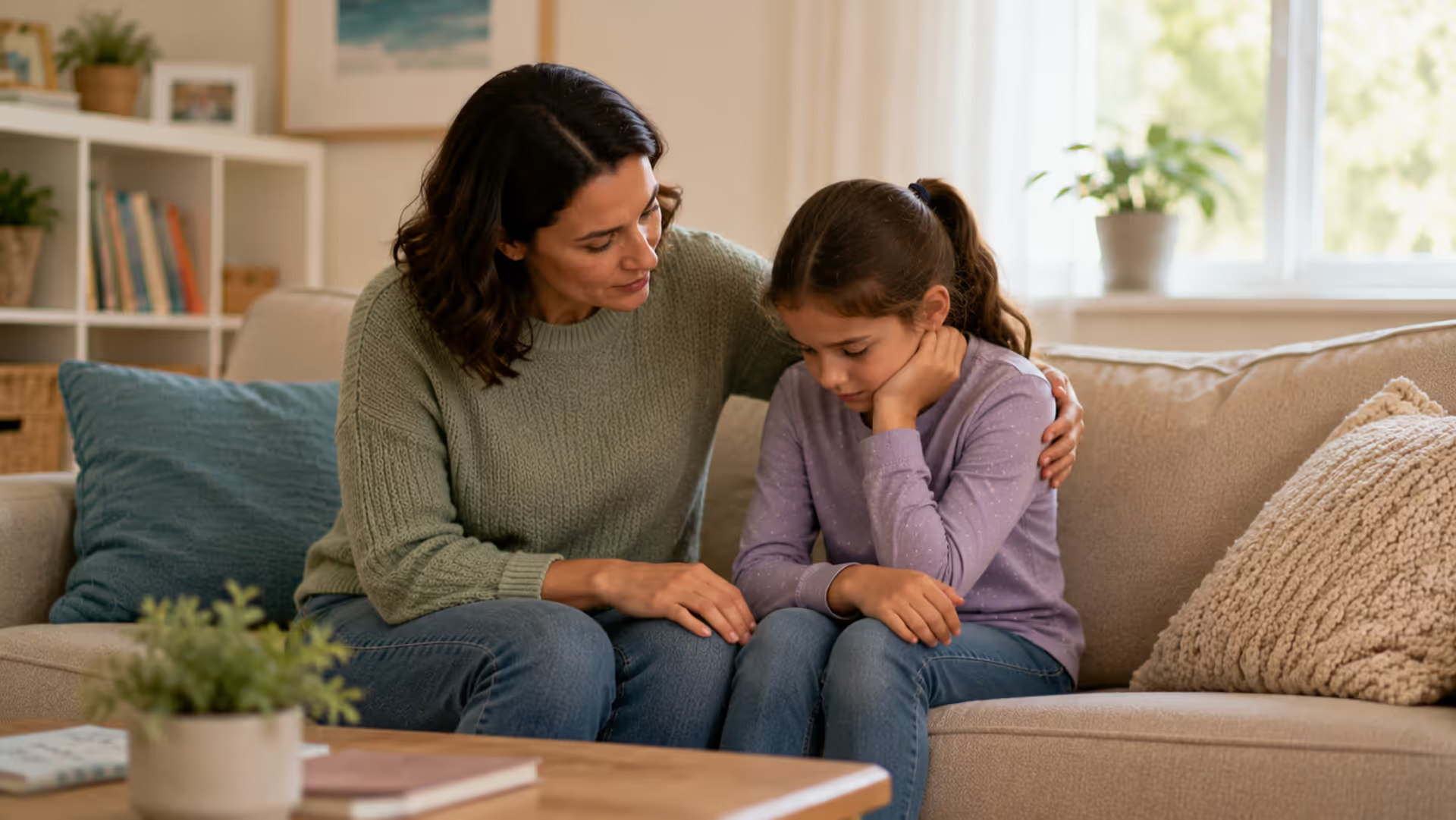
Pushing too hard too soon. If reading time regularly ends in tears or fights, you're pushing too hard. Back off. Make activities easier or more playful. Progress happens when kids feel safe and successful, not stressed.
Comparing to other kids. Your neighbor's kindergartener might be reading chapter books. That doesn't mean your child is behind. Children learn to read across a broad timeline, all perfectly healthy. Comparisons just create anxiety for everyone.
Skipping phonemic awareness. Some parents jump straight to letter names and phonics without building sound awareness first. But if your child can't hear that "dog" has three separate sounds, they can't decode it. Spend time on rhyming, sound isolation, and sound segmentation before formal phonics.
Not reading aloud enough. Focusing only on having your child decode words misses the bigger picture. Read-alouds build vocabulary, comprehension, and motivation. Keep reading to your child even after they start reading independently.
Making it feel like school. The fastest way to kill reading motivation is making it feel like drudgery. Keep it light. Celebrate small wins. If your child groans when you suggest reading, something needs to change.
Correcting every mistake immediately. When your child reads to you and makes errors, resist the urge to correct instantly. See if they self-correct. If the mistake doesn't change meaning, let it go. Constant interruption disrupts fluency and confidence.
Ignoring your child's interests. If your child loves dinosaurs, read dinosaur books. If they're obsessed with trucks, find truck books. When children care about the topic, they stay engaged, and that engagement fuels learning.
Being a parent as reading teacher means knowing when to teach versus when to just enjoy books together. That balance matters.
Author: Hannah Whitaker;
Source: raynet-merseyside.net
When to Seek Additional Support
Most kindergarteners progress through literacy stages at their own pace, and that's fine. Sometimes, though, extra help makes sense.
Watch for these red flags: your child shows zero interest in books or stories by mid-kindergarten; can't identify any letters by late in the year; can't hear rhymes or identify beginning sounds; consistently reverses letters well past the first few months of instruction; or shows extreme frustration or avoidance around reading.
One red flag doesn't necessarily mean trouble. But if you're seeing multiple signs, or you just have a strong gut feeling something's off, trust that instinct.
Start by talking to your child's kindergarten teacher. They see many same-age kids and can tell you if your child's development falls within typical range. They might suggest specific home activities or classroom modifications.
Many schools offer reading intervention programs for students who need extra support. These aren't punishments—they're resources. Early intervention makes a huge difference.
If concerns persist, ask about evaluation by a reading specialist. Specialists can pinpoint specific areas of difficulty and create targeted intervention plans.
Remember that reading difficulties don't reflect intelligence. Plenty of bright kids struggle with literacy for various reasons—from vision issues to processing differences to just needing more time.
Supporting reading development at home means providing consistent, positive experiences while staying alert for signs that professional help might be useful. Asking for support shows you care, not that you've failed.
Be patient with different learning paces. Some kids suddenly "get" reading seemingly overnight. Other children build skills gradually over many months. Both paths lead to reading competence.
Your role as a parent as reading teacher isn't to diagnose or fix reading disabilities. It's to create a supportive environment, partner with professionals when needed, and make sure your child knows their worth isn't tied to how fast they learn to read.
Phonics Milestones by Kindergarten Stage
| Stage | Expected Skills | Appropriate Activities | Parent Focus Areas |
| Early Kindergarten (Fall) | Identifies several letters, particularly those in own name; detects beginning sounds when listening to words; demonstrates curiosity about books; grasps that printed text conveys messages | Letter treasure hunts; rhyme matching; alphabet melodies; repeated-phrase read-alouds; name writing practice | Fostering print awareness; strengthening sound recognition; making books enjoyable; setting up consistent reading times |
| Mid-Year (Winter) | Recognizes most upper and lowercase letters; produces sounds for frequent consonants; combines simple CVC words with guidance; identifies common high-frequency words | Blending sound exercises; word pattern practice (-at, -en, -ip); beginner decodable texts; sight word activities; letter and word writing | Solidifying letter-sound connections; developing blending abilities; growing sight word knowledge; promoting writing alongside reading |
| Late Kindergarten (Spring) | Masters all letter sounds; reads simple CVC words without help; knows 20-30 high-frequency words; tackles simple predictable texts with assistance; composes basic sentences using phonetic spelling | Solo reading of decodable texts; advanced word patterns; extended sight word work; comprehension discussions during reading; creative story writing | Strengthening reading fluency; teaching comprehension techniques; supporting independent reading; recognizing progress and determination |
FAQ: Teaching Kindergarten Reading Questions Answered