Allergy Friendly School Lunch Ideas

Content
Packing a school lunch shouldn't feel like defusing a bomb. But when you're navigating nut-free policies, food allergies, and the very real possibility your child will trade everything you packed for a single Oreo, it gets complicated fast. The good news? You can absolutely create lunches that are safe, nutritious, and actually get eaten. It just takes a bit of planning and some solid alternatives to the usual suspects.
Understanding School Alergy Policies and Why They Matter
Most schools now enforce strict allergy policies, and nuts top that list for good reason. Food allergies affect roughly 1 in 13 children in the US—that's about two kids per classroom. Peanuts and tree nuts account for the majority of severe allergic reactions in schools, and reactions can happen from contact or airborne exposure, not just ingestion.
Schools aren't being overly cautious. They're responding to real risk. An allergic child can react to residue on a table, a shared pencil, or even particles in the air when someone opens a jar of peanut butter nearby. Anaphylaxis can happen in minutes, and not every school nurse is steps away from every classroom.
Beyond nuts, the FDA recognizes nine major allergens: milk, eggs, fish, shellfish, tree nuts, peanuts, wheat, soybeans, and sesame (added to the list in 2023). Your school's policy might extend beyond nuts depending on enrolled students' needs. Always check your specific school's guidelines at the start of each year—they can change.
The pattern I see most often is parents who think "may contain nuts" warnings are just legal protection. They're not. Those warnings mean real cross-contamination risk exists in the facility, and most schools prohibit those items too.
How to Build a Balanced Nut-Free Lunchbox
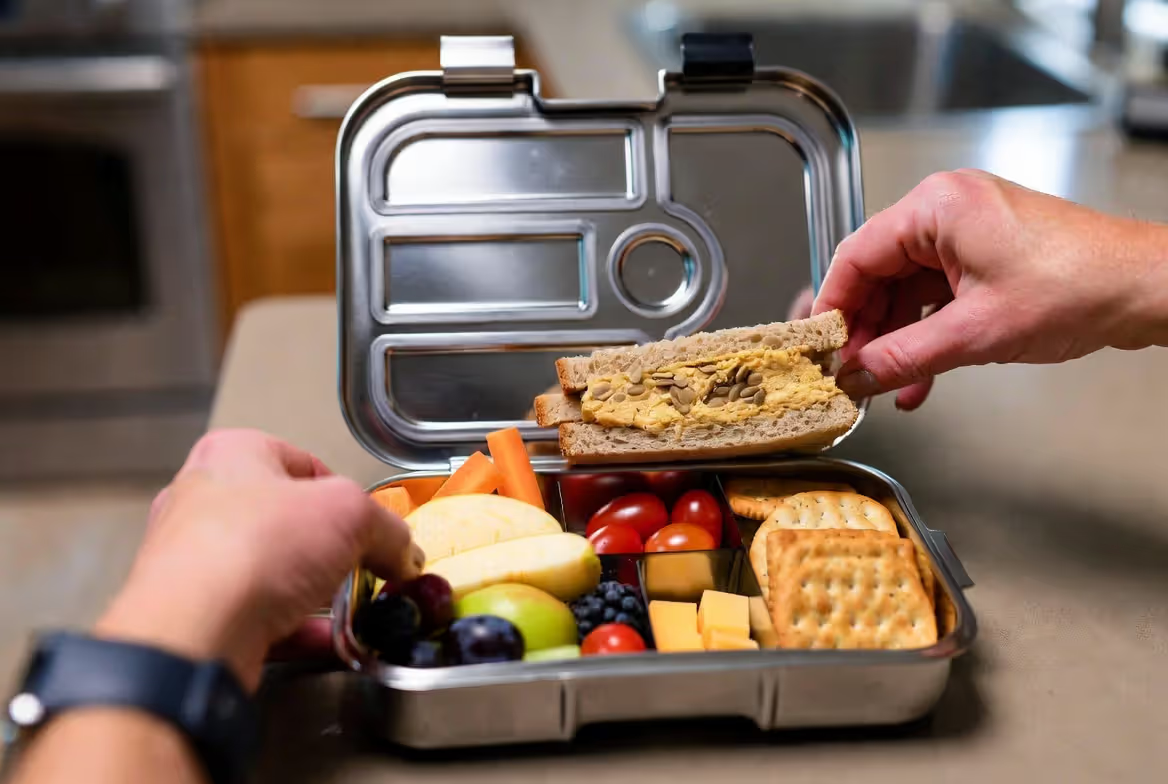
A complete lunch needs four components: protein, whole grains, fruits or vegetables, and a source of healthy fats. When you remove nuts and nut butters, you're mainly losing a convenient protein and fat source. But plenty of alternatives exist.
Author: Hannah Whitaker;
Source: raynet-merseyside.net
Protein Sources Without Nuts or Peanut Butter
Protein keeps kids full and focused through afternoon classes. Without peanut butter as your go-to, consider these options:
Sunflower seed butter is the most direct swap. It spreads like peanut butter, tastes similar enough that most kids accept it, and works in sandwiches or with apple slices. SunButter is the most common brand, but store versions work fine too.
Cheese is incredibly versatile. String cheese, cubes, slices in sandwiches, or melted in a thermos of pasta. Most kids who tolerate dairy will eat cheese in some form.
Deli meat like turkey, ham, or chicken provides solid protein. Look for lower-sodium options when possible, but don't stress if your kid only eats the regular stuff. Eating lunch beats not eating lunch.
Hard-boiled eggs are perfect if your child will eat them. Peel them the night before and store in the fridge. Some kids prefer them sliced with a little salt.
Hummus works as a dip or spread. It's made from chickpeas, so it's legume-based protein. Pair it with pita, crackers, or vegetables.
Greek yogurt packs more protein than regular yogurt. Send it with granola (nut-free, obviously) or fruit. Freeze it overnight and it'll thaw by lunch while keeping everything else cold.
Edamame (soybeans in the pod) can go in the lunchbox still in the shell. Kids often enjoy the hands-on aspect of popping them out.
Here's how these stack up:
| Protein Source | Protein per Serving | Prep Time | Kid Appeal (1-5) | Shelf Stability |
| Sunflower seed butter (2 tbsp) | 7g | 1 min | 4 | High (pantry stable) |
| Cheddar cheese (1 oz) | 7g | 1 min | 5 | Medium (needs ice pack) |
| Turkey deli meat (2 oz) | 11g | 2 min | 4 | Low (needs ice pack) |
| Hard-boiled egg (1 large) | 6g | 15 min | 3 | Medium (refrigerate) |
| Hummus (¼ cup) | 5g | 1 min | 3 | Medium (refrigerate) |
| Greek yogurt (6 oz) | 15g | 1 min | 4 | Low (needs ice pack) |
| Edamame (½ cup) | 9g | 5 min | 3 | Low (needs ice pack) |
Safe Spreads and Dips for Sandwiches
Beyond sunflower seed butter, you've got options. Cream cheese works plain or flavored (strawberry cream cheese is surprisingly popular). Hummus comes in multiple flavors now—roasted red pepper often wins with kids who find plain hummus boring. Mashed avocado with a squeeze of lemon stays green longer and provides healthy fats. Even butter and honey together make a decent sandwich filling for younger kids.
Cookie butter (like Biscoff spread) is nut-free and tastes like dessert, so use your judgment on frequency. It's not exactly nutritious, but it's safe and kids love it.
15 Easy Nut-Free Lunch Ideas Your Child Will Eat
Author: Hannah Whitaker;
Source: raynet-merseyside.net
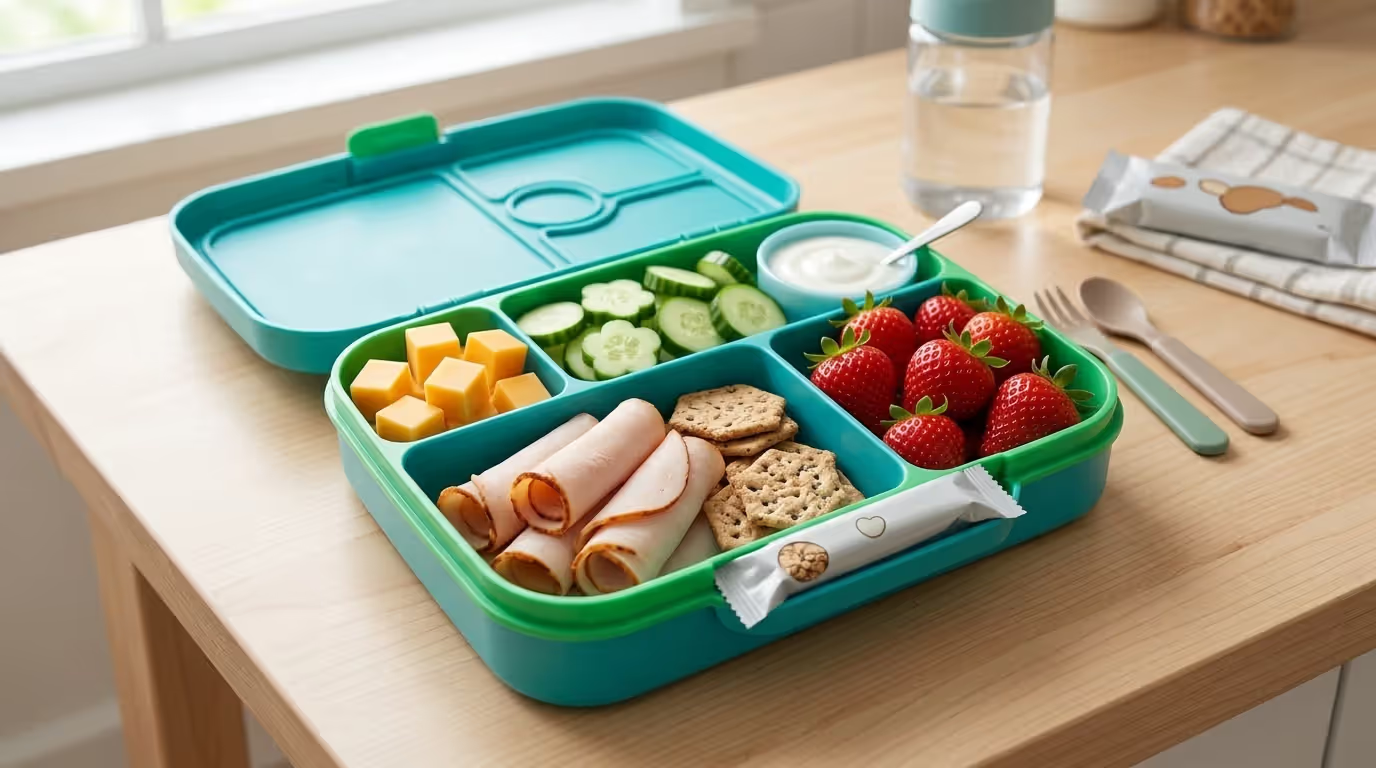
Let's get specific. These combinations work in real lunchboxes, not just on Pinterest.
Sandwiches and wraps:
- Sunflower seed butter and jelly on whole wheat bread with apple slices and pretzels
- Turkey and cheese roll-ups (no bread—just rolled together) with crackers, grapes, and baby carrots
- Cream cheese and cucumber on a whole wheat tortilla, rolled and sliced into pinwheels, with berries and snap peas
- Ham and cheese sandwich on white bread (yes, white is fine) with cherry tomatoes and baked chips
Bento-style boxes:
- Cheese cubes, whole grain crackers, salami slices (if allowed—check for nut cross-contamination), grapes, and a few chocolate chips
- Hard-boiled egg, cherry tomatoes, cucumber slices, pita bread, and hummus in a small container
- Turkey pepperoni, mozzarella pearls, whole grain crackers, strawberries, and a granola bar (nut-free)
Thermos meals (hot):
- Pasta with butter and parmesan (send in a preheated thermos), with a side of fruit and breadstick
- Chicken noodle soup with oyster crackers and apple slices
- Quesadilla pieces (cheese only or with beans) kept warm in a thermos, with salsa and tortilla chips
Cold pasta and grain bowls:
- Pasta salad with Italian dressing, cheese cubes, cherry tomatoes, and cucumbers, plus a breadstick
- Rice bowl with teriyaki chicken pieces, edamame, and mandarin oranges
Breakfast-for-lunch:
- Mini pancakes (made ahead and frozen) with syrup in a small container, yogurt, and berries
- Bagel with cream cheese, string cheese, and fruit salad
Deconstructed meals:
- DIY lunchable style: whole grain crackers, sliced turkey or ham, cheese slices, baby carrots, and ranch dip
The simpler option usually wins here. Kids are more likely to eat familiar foods in new combinations than elaborate bento art they don't recognize.
Keeping Lunchboxes Interesting Without Repeating the Same Meals
Variety prevents the "I'm bored of my lunch" complaint, but you don't need 30 different ideas. You need a rotation system.
Try the week-by-theme approach. Monday is sandwich day. Tuesday is thermos day. Wednesday is bento/snack lunch. Thursday is wrap day. Friday is leftover or wild card day. Within each theme, you rotate the specifics. This gives structure without repetition.
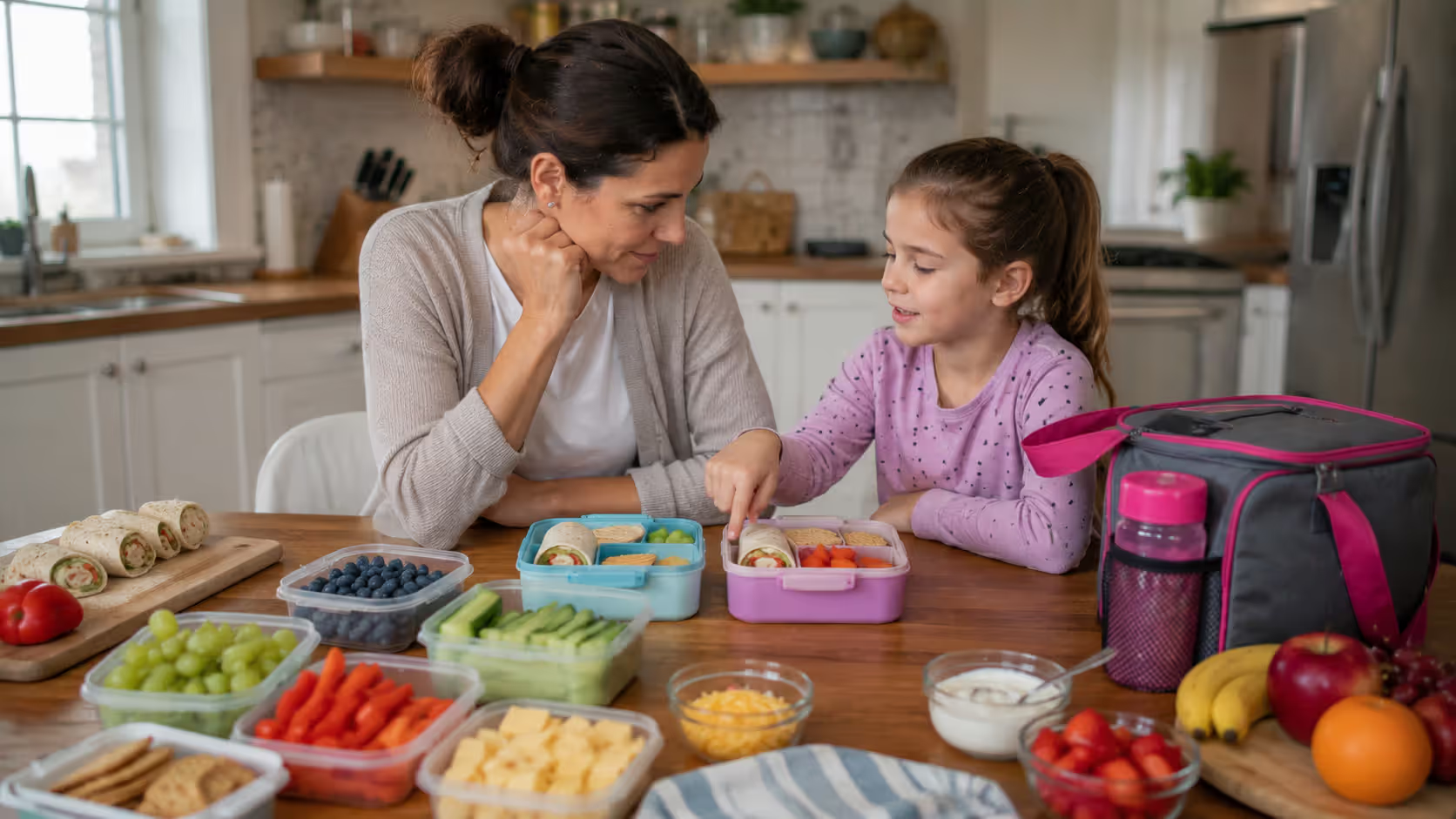
Involve your kid in planning. Sunday afternoon, sit down together and pick lunches for the week. They can choose between two options you're willing to make. This small amount of control dramatically increases the chance they'll actually eat what you pack.
Use cookie cutters strategically. A sandwich cut into a star shape is still just a sandwich, but it feels different to a six-year-old. This trick has a shelf life—it stops working around third or fourth grade—but use it while it lasts.
Seasonal variety happens naturally if you buy what's on sale. Watermelon in summer, clementines in winter, berries in spring. Following the seasons keeps costs down and variety up.
One mistake parents make is assuming variety means complicated. It doesn't. Variety can be as simple as alternating between green grapes and red grapes, or swapping cheddar for mozzarella.
Author: Hannah Whitaker;
Source: raynet-merseyside.net
Allergy-Safe Snacks and Treats for School
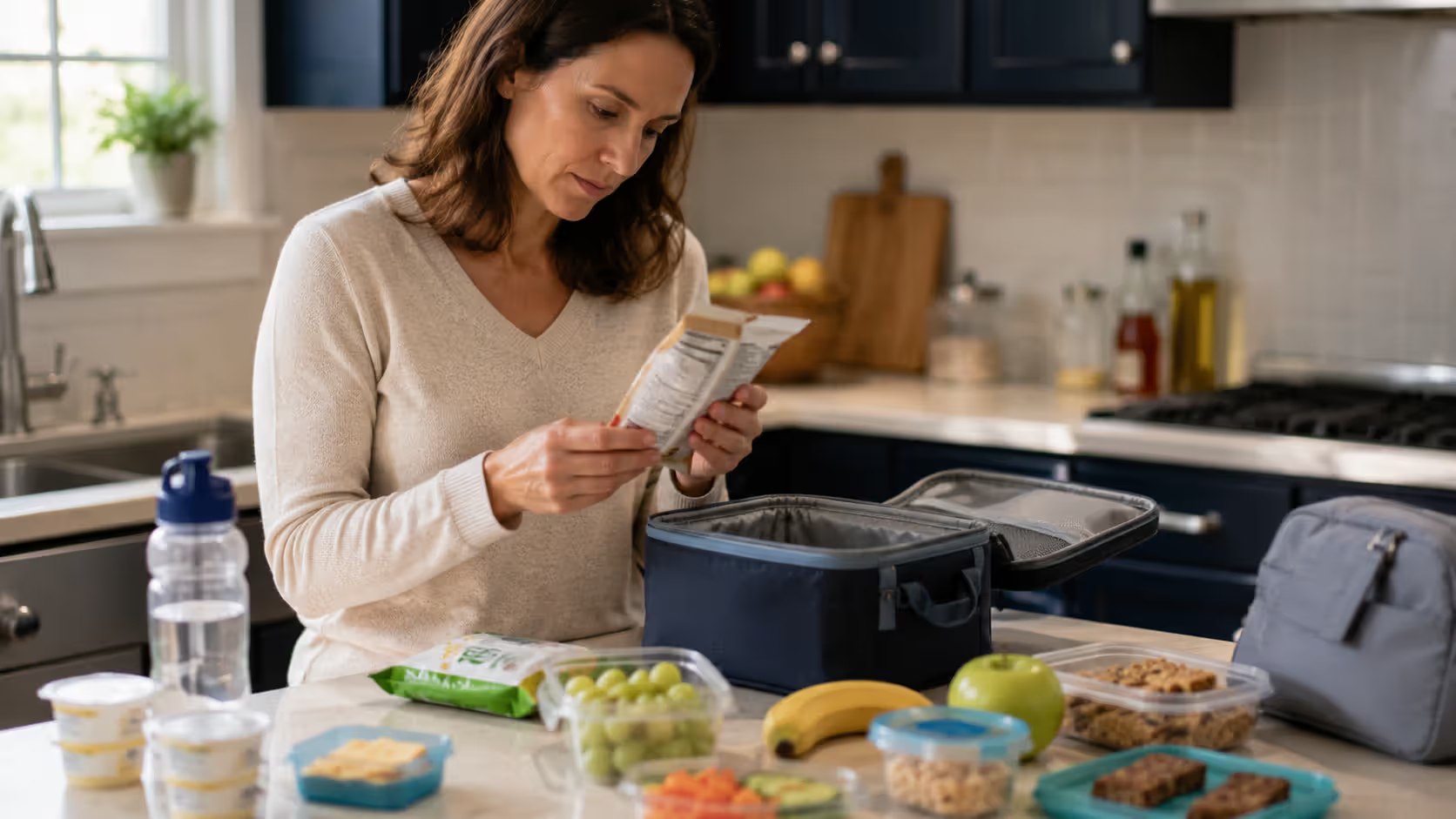
Packaged snacks simplify life, but labels require careful reading. "Nut-free" isn't a regulated term, so you're looking for specific certifications or facility statements.
Look for these labels:
- "Made in a nut-free facility"
- "Peanut-free facility" (but check for tree nuts separately)
- Certified allergen-free symbols from organizations like FARE or Snack Safely
Don't rely on the front of the package. Marketing terms like "natural" or "healthy" tell you nothing about allergen safety. Flip to the ingredient list and the allergen statement below it.
Popular nut-free packaged snacks:
- Enjoy Life products (specifically designed allergen-free)
- SunButter (various flavors)
- MadeGood granola bars and cookies (top 8 allergen-free)
- Oreos (surprisingly nut-free, though made on shared equipment)
- Goldfish crackers
- Annie's Cheddar Bunnies
- Pirate's Booty
- Most Kellogg's Rice Krispies Treats (check labels—formulas change)
Homemade options give you complete control but require more time. Rice Krispies treats made at home with nut-free margarine work great. Popcorn seasoned with parmesan or cinnamon sugar is cheap and easy. Muffins made in your own kitchen eliminate cross-contamination concerns.
The most important thing parents can do is read labels every single time they shop, even for products they've bought before. Manufacturers change formulas and production facilities without warning, and a previously safe snack can become unsafe without any change to the packaging design.
— Mitchell Sarah
Cross-contamination happens at home too. If you keep peanut butter in your house for other family members, designate separate knives, cutting boards, and even toasters for allergy-safe foods. Wipe down counters before preparing school lunches. It sounds excessive until you remember that trace amounts can trigger reactions in severely allergic children—even if that child isn't yours.
Common Mistakes Parents Make With Allergy-Friendly Lunches
Author: Hannah Whitaker;
Source: raynet-merseyside.net
Assuming "may contain" warnings are optional. They're not. Schools with strict policies ban these items because the risk is real. Manufacturers use these warnings when they can't guarantee no cross-contact occurred during production.
Not checking labels regularly. Companies reformulate products constantly. That granola bar that was safe last month might be made in a new facility this month. Check every time you buy.
Focusing only on nuts while ignoring other allergens. If your child's classroom has a student with a milk allergy or egg allergy, the same precautions apply. Ask your teacher about all relevant allergens at the start of the year.
Sending messy foods that spread allergens. Even if your child's lunch is nut-free, sending something that explodes all over the table (looking at you, yogurt tubes) creates problems if the next kid to sit there has allergies.
Forgetting about non-food items. Some play-doughs contain wheat. Some art supplies contain milk proteins. Some lip balms contain nut oils. If you're sending supplies or birthday treats, the same scrutiny applies.
Not having a backup plan. Your child will forget their lunch, or drop it, or decide they hate everything in it. Keep shelf-stable backup items in your car or ask the school if you can store a few emergency lunches in the office freezer.
FAQ: Allergy-Friendly School Lunch Questions Answered
Packing allergy-friendly lunches gets easier with practice. You'll develop a rotation of reliable options, figure out which containers prevent leaks, and learn which foods your kid actually eats versus which ones come home untouched.
Start simple. Pick five lunch ideas that meet your school's requirements and that your child will eat. Rotate those for two weeks. Then add two more options. You don't need infinite variety—you need reliable solutions that work on busy mornings.
Keep a list on your phone of safe packaged snacks and where you found them. Stores discontinue products and change inventory constantly. When you find something that works, note it.
And remember that lunch doesn't have to be perfect. It has to be safe, reasonably nutritious, and something your child will eat. A cheese sandwich, apple slices, and pretzels check all those boxes. Some days, that's exactly enough.