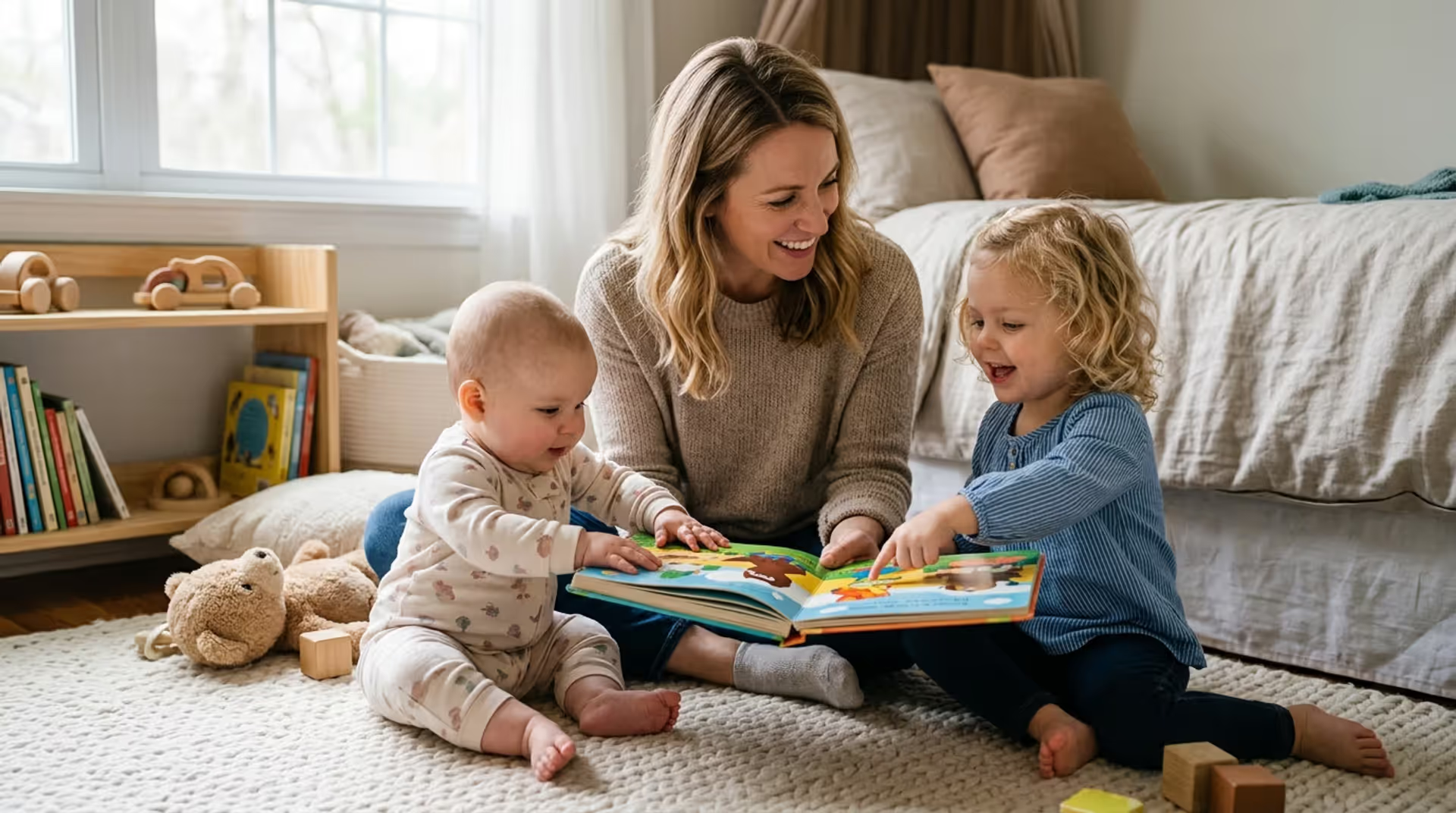
Stages of Play in Early Childhood Development

Content
Every parent has watched their child play and wondered what's really happening in that little mind. Is stacking blocks alone a problem? Should your toddler be sharing toys by now? The truth is, play isn't random—it follows a predictable pattern that researchers have mapped out over decades. Understanding these stages helps you know what's typical, what's next, and when to simply relax and let development unfold naturally.
What Are the Stages of Play?
Back in 1929, researcher Mildred Parten observed children at play and noticed something fascinating. Kids didn't just play differently based on personality—they moved through distinct stages as they grew. Her work at the University of Minnesota's Institute of Child Development gave us the framework we still use today.
The Parten stages of play describe six levels of social participation during play. These aren't strict rules or grades your child needs to pass. They're observations about how children naturally interact with others as their brains develop.
Why does this matter? Because play is how children learn everything. Social skills, emotional regulation, problem-solving, language—it all happens during play. When you understand the stages, you stop worrying about whether your three-year-old "should" be sharing. You'll know that parallel play is exactly right for their age.
The pattern I see most often is parents comparing their child to others without knowing that kids can move back and forth between stages depending on mood, energy, or environment. A tired four-year-old might retreat to solitary play even though they're capable of cooperative games.
Author: Marcus Hollow;
Source: raynet-merseyside.net
The Six Parten Stages of Play by Age
Let's break down each stage with real examples you'll recognize from your own home or playground.
Unoccupied Play (0–3 Months)
This is where it all starts, though it barely looks like play at all.
Unoccupied play happens when infants make random movements with no clear purpose. They're wiggling fingers, kicking legs, watching their hands pass in front of their face. To an adult, it seems aimless. But the baby is learning how their body works and exploring sensory input.
You'll see this when your newborn lies on a play mat, moving arms and legs without reaching for toys. They might stare at ceiling fans or track movement with their eyes. It's not directed play, but it's the foundation for everything that comes next.
Developmental benefits: Unoccupied play builds body awareness and sensory processing. Babies learn cause and effect—when I move my arm, I feel it move. This stage is brief but critical for motor development.
Onlooker Play (2–3 Years)
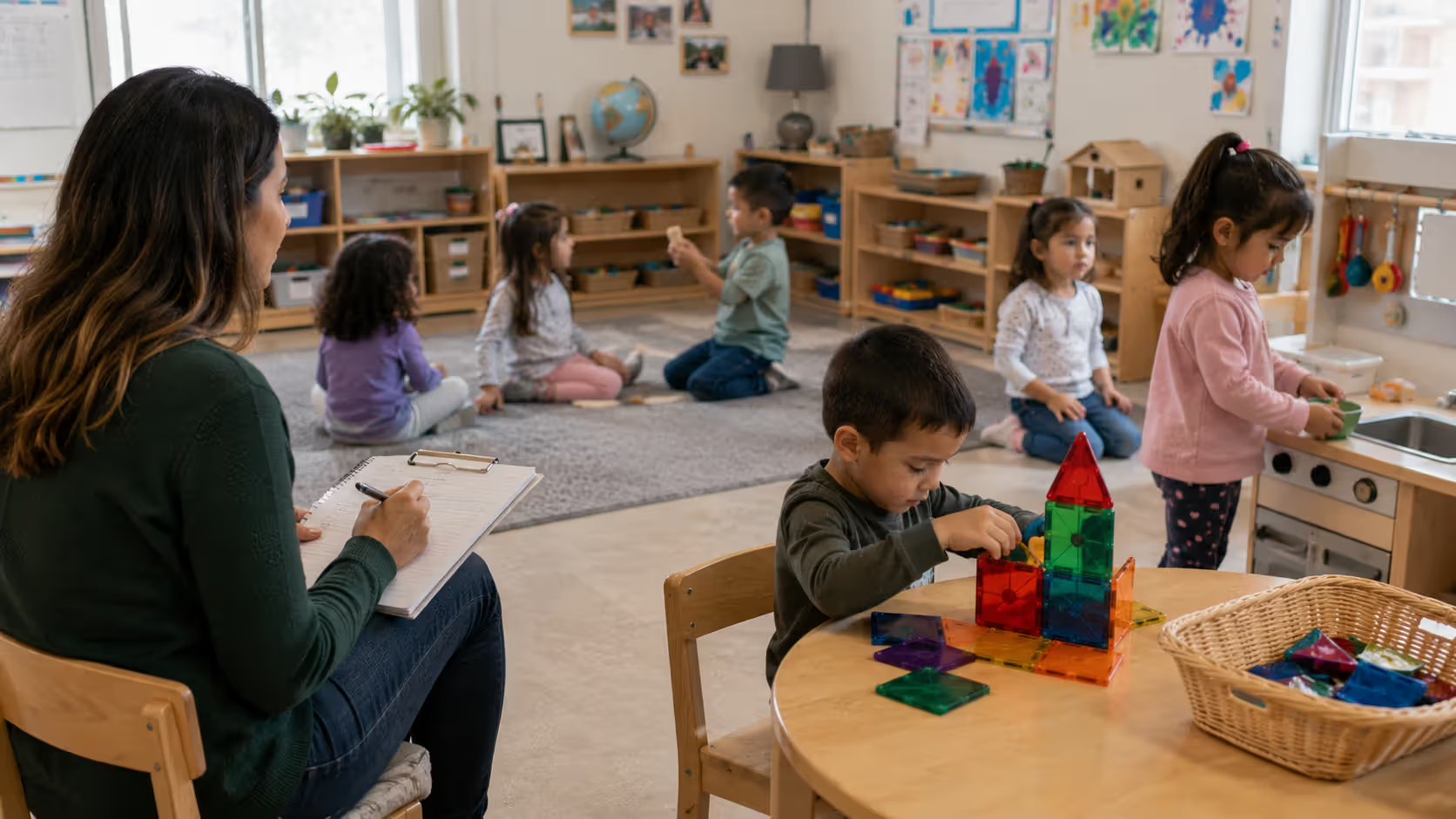
Here's where things get interesting. Your toddler stands at the edge of the sandbox, watching other kids dig and pour. They're clearly interested but won't join in.
Onlooker play means watching others play without participating. The child might ask questions, talk to the players, or stand close by, but they don't enter the game. This isn't shyness—it's learning.
A typical example: your two-year-old watches older kids on the playground for 15 minutes, studying how they take turns on the slide. They're absorbing rules, social cues, and play patterns.
Developmental benefits: This stage teaches observation skills and helps children understand social dynamics before jumping in. They're building confidence and learning by watching. Don't rush them into participation—observation is active learning.
Solitary Play (2–3 Years)
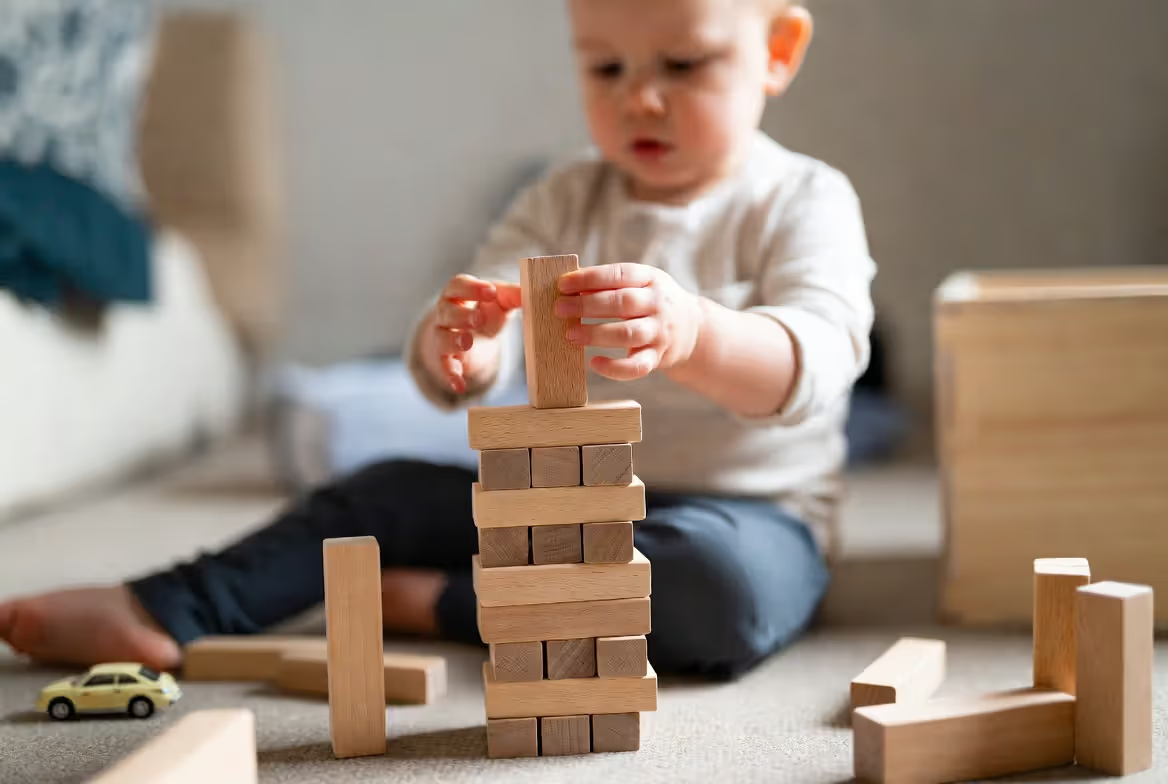
Solitary play in early childhood is exactly what it sounds like. Your child plays alone, completely absorbed in their own activity, seemingly unaware of other children nearby.
A toddler might sit on the floor with blocks, building and knocking down towers for 20 minutes while other kids play around them. They're not avoiding others—they're just focused on their own exploration.
This stage often overlaps with onlooker play. The same child might observe for a while, then retreat to solo activities. Both are completely normal for toddlers.
Developmental benefits: Solitary play builds independence, concentration, and creativity. Children learn to entertain themselves and develop their own ideas without external input. This skill remains valuable throughout life.
Author: Marcus Hollow;
Source: raynet-merseyside.net
Parallel Play (2–3 Years)
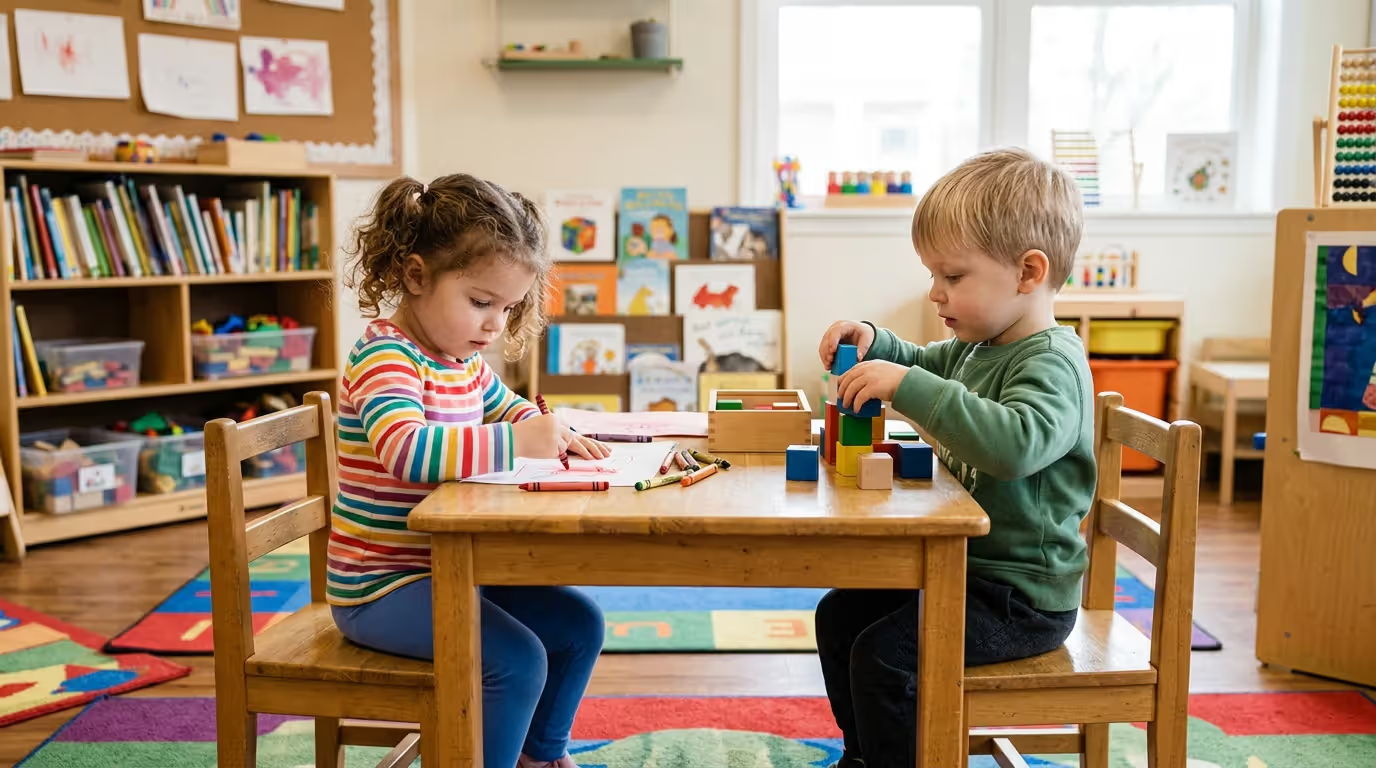
Now we're getting somewhere social. Parallel play toddlers sit near each other, doing similar activities, but not actually playing together.
Picture two kids at a table, both coloring. They're aware of each other, might glance over occasionally, and use the same materials. But they're not collaborating or sharing ideas. Each child is in their own world, just happening to be next to another person.
You'll see this constantly at playgrounds. Two toddlers both filling buckets with sand, side by side, not interacting. It looks like they should be playing together, but they're not quite there yet.
Developmental benefits: Parallel play is the bridge to social play. Children learn to be comfortable near peers, observe different play styles, and occasionally mimic each other. They're building tolerance for sharing space and materials.
Author: Marcus Hollow;
Source: raynet-merseyside.net
Associative Play (3–4 Years)
This is where real interaction starts. Associative play means children engage with each other—talking, sharing materials, commenting on what others are doing—but without organizing toward a common goal.
Three kids might play in a dress-up corner together. They're talking, trading costumes, noticing each other's outfits. But each child is doing their own thing. There's no shared storyline or coordinated game yet.
The difference from parallel play? Communication and interaction. Kids are interested in what others are doing and respond to each other, even without a unified purpose.
Developmental benefits: Associative play develops conversation skills, turn-taking, and interest in peers. Children start to see others as potential playmates rather than just people who happen to be nearby.
Cooperative Play (4+ Years)
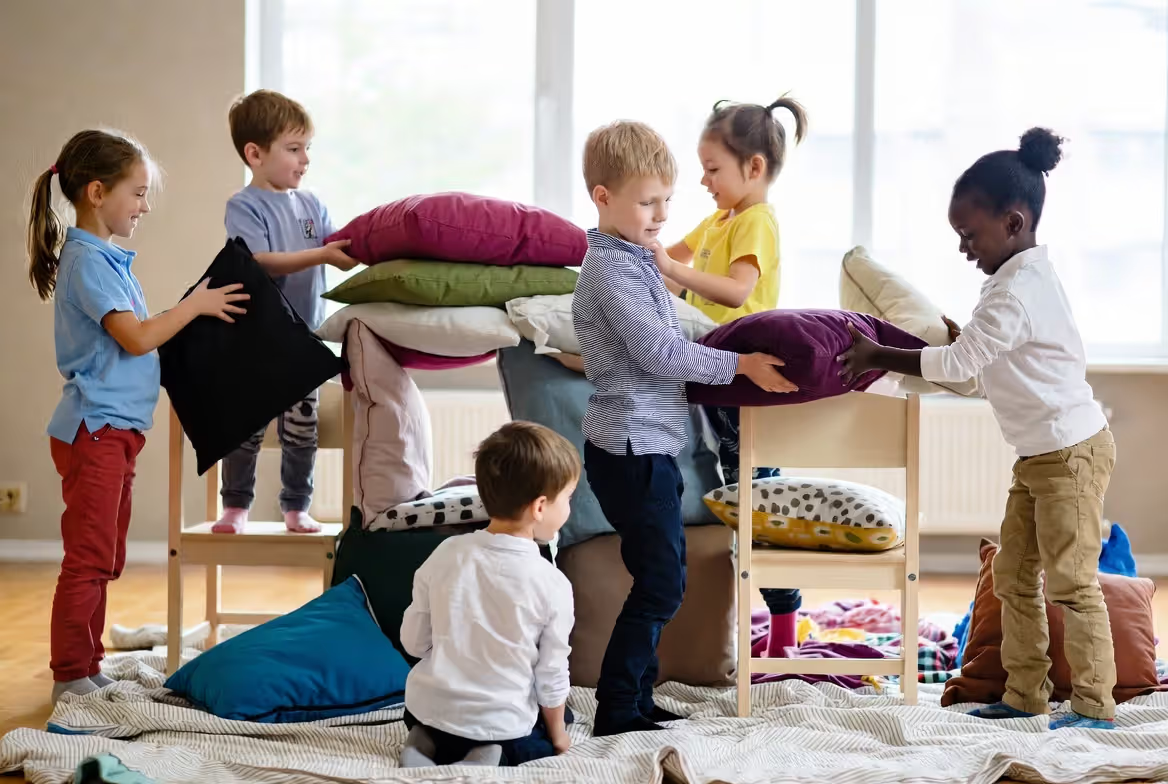
Here's the goal everyone thinks of as "real" play. Cooperative play children work together toward a shared objective, with organization and role assignment.
Four kids decide to build a fort. One gathers pillows, another drapes blankets, someone else assigns rooms, and they all defend it from imaginary dragons. They're collaborating, negotiating roles, and working as a team.
Or they play house with assigned roles: "You're the baby, I'm the mom, you're the dog." Everyone understands the game structure and plays their part.
Developmental benefits: Cooperative play builds teamwork, communication, problem-solving, and empathy. Children learn to compromise, handle disagreements, and work toward group goals. These are the social skills they'll use forever.
Author: Marcus Hollow;
Source: raynet-merseyside.net
The 6 Stages of Play at a Glance
| Stage Name | Typical Age Range | Key Characteristics | Examples |
| Unoccupied Play | 0–3 months | Random movements, no clear goal, sensory exploration | Wiggling fingers, watching hands, kicking legs on play mat |
| Onlooker Play | 2–3 years | Watching others play, asking questions, not participating | Standing near sandbox observing, watching playground games |
| Solitary Play | 2–3 years | Playing alone, absorbed in own activity, independent | Building blocks alone, coloring independently, examining toys |
| Parallel Play | 2–3 years | Playing near others with similar materials, no interaction | Two toddlers coloring side by side, filling separate sand buckets |
| Associative Play | 3–4 years | Interacting and sharing, but no common goal | Trading dress-up clothes, commenting on each other's drawings |
| Cooperative Play | 4+ years | Organized play with shared goals and assigned roles | Building a fort together, playing house with roles, team games |
How Play Development Milestones Relate to Social Skills
Play development milestones aren't just about play—they're markers of social-emotional growth. Each stage builds specific skills that children need for relationships throughout life.
In the first year, unoccupied play connects to attachment and sensory processing. Babies who get floor time and freedom to move develop better body awareness. This physical confidence becomes social confidence later.
Between 18 months and three years, onlooker and solitary play teach self-regulation. Your toddler learns to manage their own emotions and attention without constant adult intervention. They're building the foundation for independence.
Parallel play toddlers are practicing proximity tolerance. They're learning that other people can be near their toys without it being a threat. This might seem basic, but it's huge for a two-year-old who's just figured out ownership.
By three to four years, associative play marks the beginning of real friendship skills. Children start to care what peers think and do. They're learning conversation basics: listening, responding, taking turns talking.
Cooperative play children are developing executive function skills. They plan, organize, negotiate, and adjust when things don't go as expected. These are the same skills needed for school projects, team sports, and eventually workplace collaboration.
What's typical versus concerning? Most children move through these stages in order, though not on a strict schedule. It's normal for a four-year-old to enjoy solitary play sometimes. It's also fine if your three-year-old occasionally engages in cooperative play with familiar siblings or friends.
But if a five-year-old never moves beyond parallel play, or if a three-year-old seems unable to tolerate other children nearby, that might warrant a conversation with your pediatrician. The key word is "never"—occasional preference for earlier stages is normal. Inability to progress at all might signal developmental concerns.
Play is not a break from learning—it is the way young children learn. Through play, children develop the social, emotional, and cognitive skills that form the foundation for all future learning and relationships.
— Hirsh-Pasek Kathy
Symbolic Play and Other Types of Play in Early Childhood
Parten's stages describe social participation, but there's another way to categorize play: by type of activity. These types of play in early childhood overlap with the social stages.
Functional play is simple, repetitive action. Babies bang spoons on high chairs. Toddlers push cars back and forth. This happens during solitary and parallel play stages.
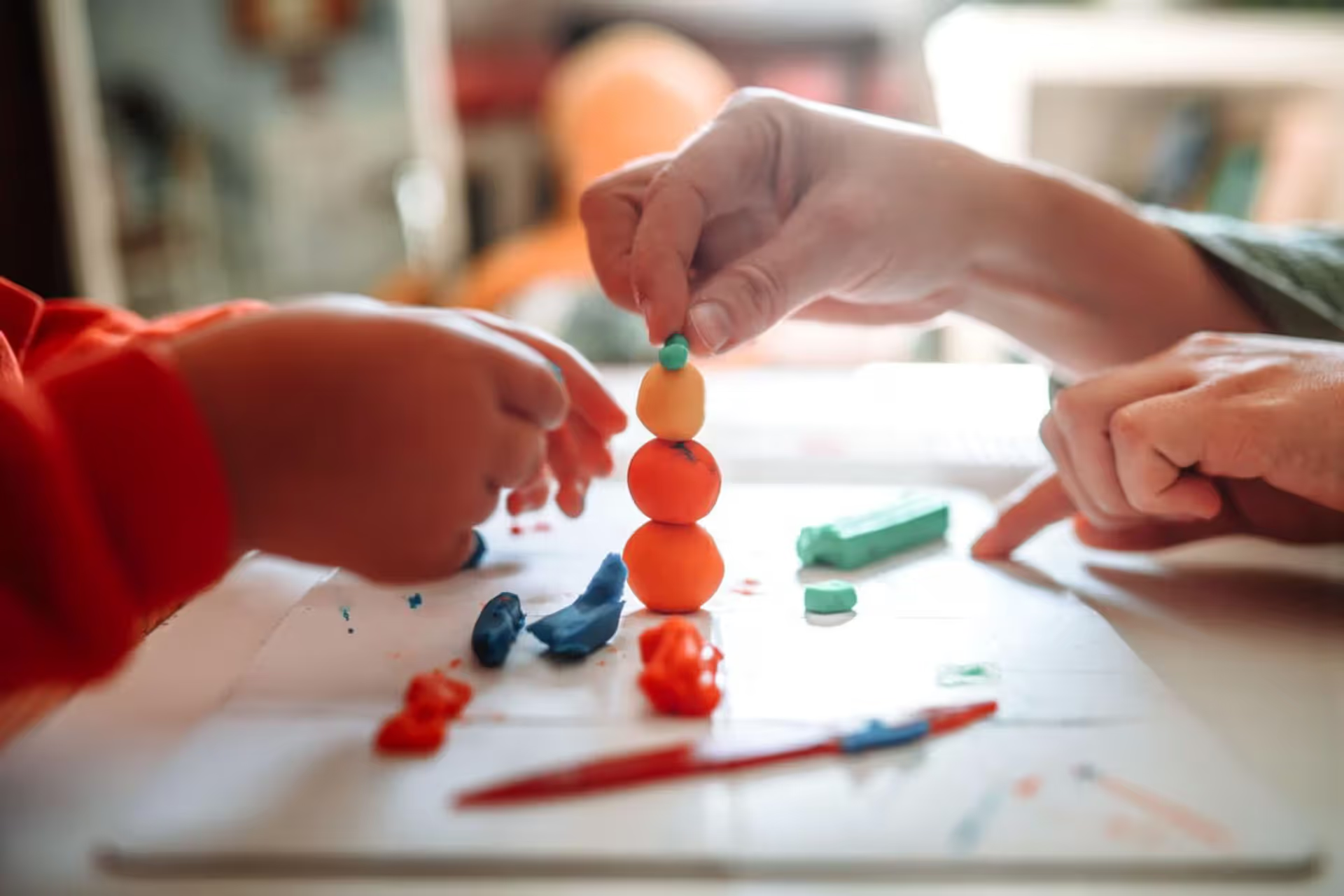
Constructive play means building or creating something. Blocks, puzzles, drawing, playdough—these activities can happen at any social stage. A toddler builds alone (solitary), preschoolers build near each other (parallel), or kids collaborate on a massive block city (cooperative).
Symbolic play toddlers engage in pretend scenarios. A block becomes a phone. A box becomes a car. This typically emerges around 18–24 months and explodes during the preschool years.
Symbolic play is huge for cognitive development. When your child pretends a banana is a telephone, they're demonstrating abstract thinking. They understand that one thing can represent another—the foundation for reading, math, and complex reasoning.
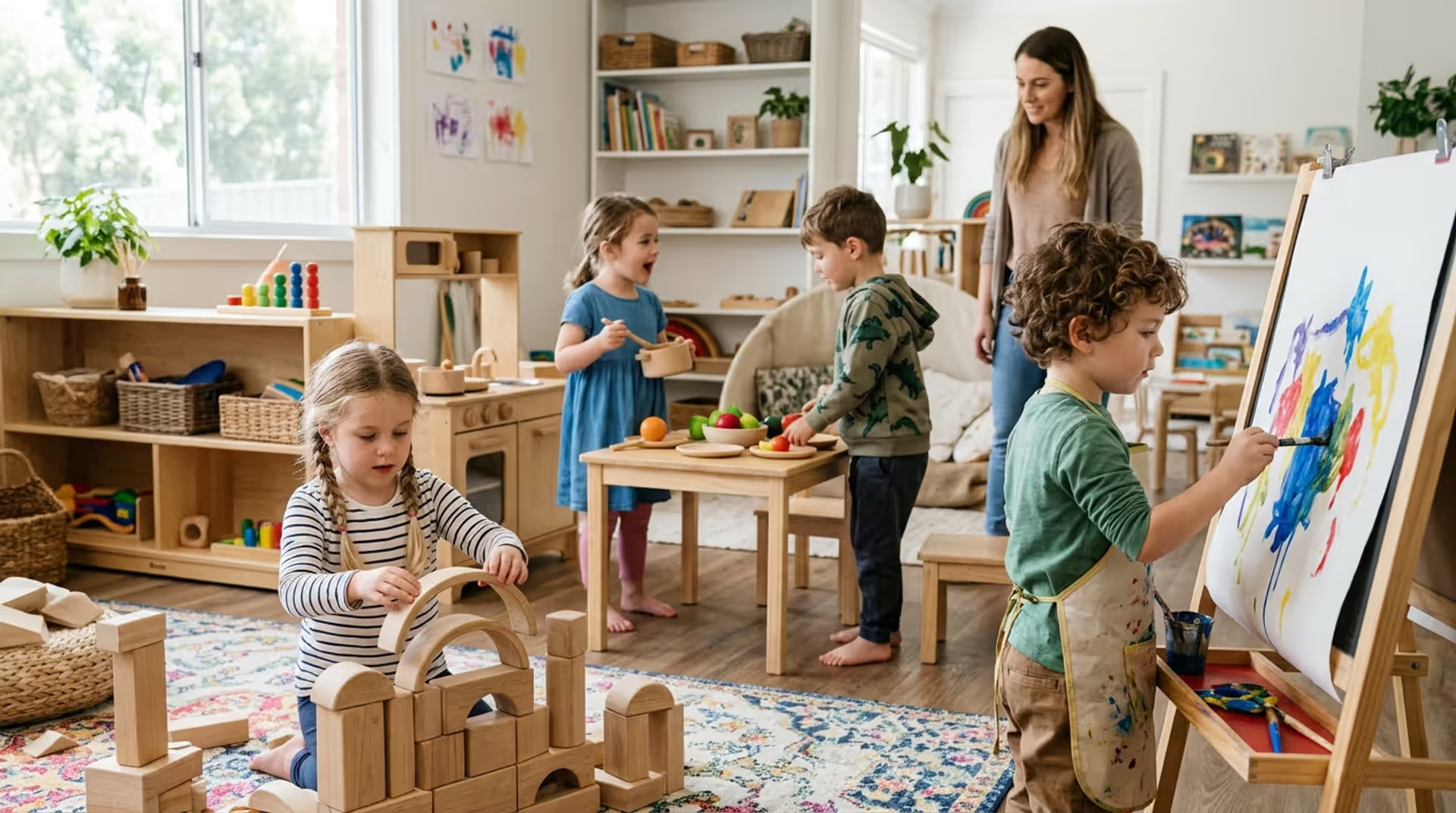
You'll see symbolic play overlap with all the social stages. A two-year-old might engage in solitary pretend play, talking to stuffed animals alone. Three-year-olds often do associative symbolic play, each with their own pretend scenario but commenting on each other's. By four, cooperative dramatic play takes over: elaborate scenarios with multiple characters and storylines.
Physical play includes running, climbing, rough-and-tumble wrestling. This can be solitary (a toddler running in circles), parallel (two kids on separate swings), or cooperative (tag, chase games).
Games with rules emerge around age four or five, overlapping with cooperative play. Board games, sports, and structured group activities all require understanding and following rules—a sophisticated skill.
The simpler option usually wins here: don't worry too much about categorizing every activity. Just notice that your child is probably engaging in multiple types of play across different social stages. That's exactly what should happen.
Supporting Your Child Through Each Play Stage
Author: Marcus Hollow;
Source: raynet-merseyside.net
You can't force a child into the next stage, but you can create environments that encourage natural progression.
For infants (unoccupied play): Give them safe floor time. Skip the containers and seats—babies need freedom to move. Provide simple sensory experiences: different textures, safe objects to mouth, interesting things to watch.
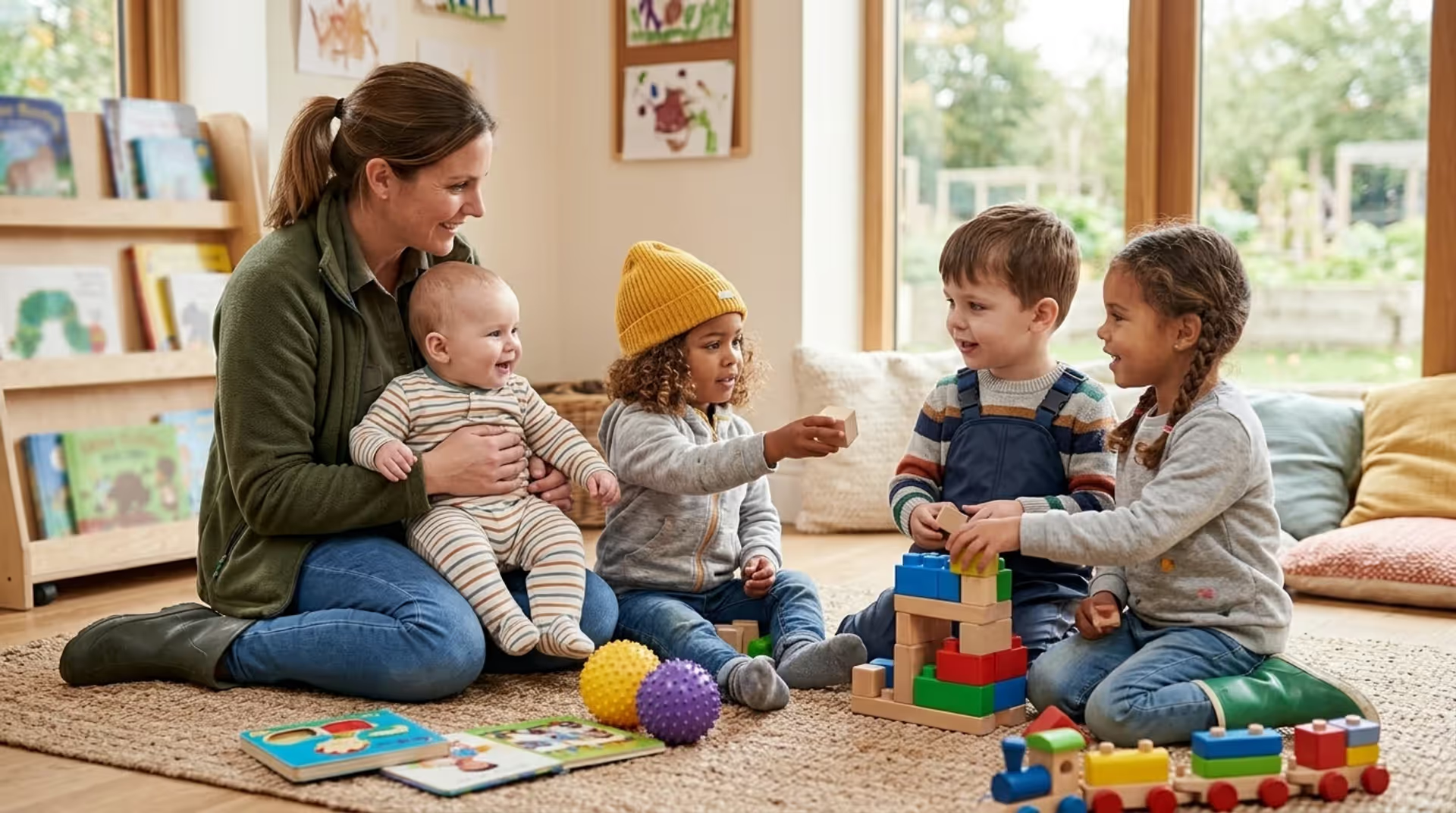
For toddlers (onlooker, solitary, and parallel play): Create opportunities to observe other children. Playgrounds, library story times, and playgroups all work. Don't force interaction—just let them watch.
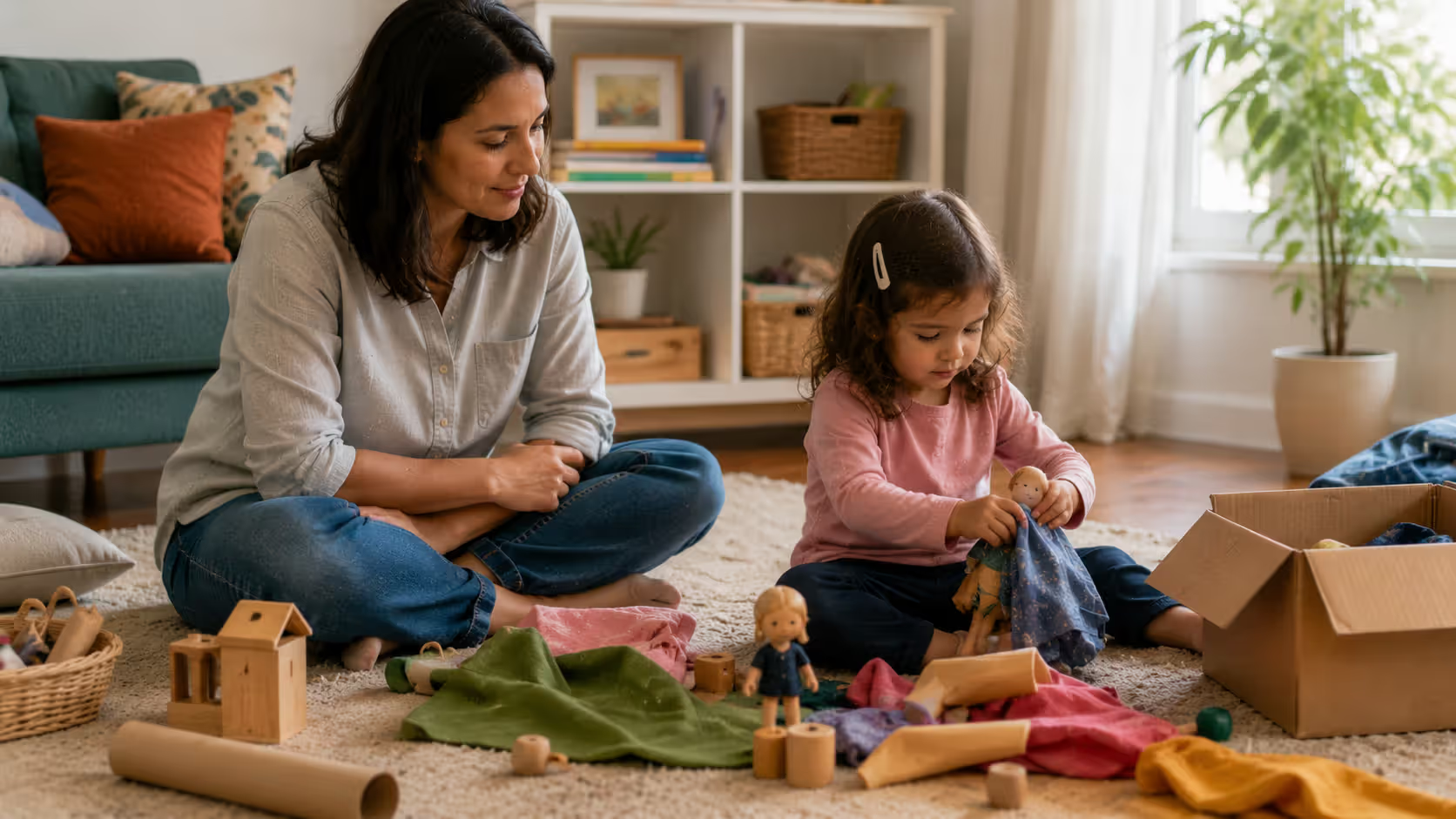
Stock your home with open-ended toys: blocks, balls, simple dolls, art supplies. These work for solitary play and transition easily into parallel and associative play.
Resist the urge to interrupt focused solitary play. If your toddler is absorbed in an activity, that's learning. You don't need to entertain them constantly.
For preschoolers (associative and cooperative play): Arrange regular playdates with one or two children. Small groups encourage interaction better than large ones.
Provide materials that invite collaboration: big cardboard boxes, fort-building supplies, dress-up clothes, toy vehicles with multiple pieces. These naturally lead to shared play.
Model cooperation and problem-solving. When conflicts arise, guide rather than solve. "You both want the red crayon. What could you do?" Let them struggle a bit—that's how they learn negotiation.
Common mistakes: Pushing social interaction before your child is ready creates anxiety, not skills. Another mistake is assuming solitary play means something's wrong. Even school-age kids need alone time.
Also, don't over-schedule. Children need unstructured time to practice these skills. Three activities a week leaves no room for the free play where real development happens.
FAQ: Stages of Play Questions Answered
Understanding the stages of play changes how you see your child's development. That toddler watching from the sidelines isn't shy—they're learning. The preschooler who plays alone sometimes isn't antisocial—they're practicing independence.
You don't need to engineer perfect play experiences. Kids are wired to progress through these stages naturally when given time, space, and opportunities to be around other children. Your job is simpler than you think: provide safe environments, step back, and let play happen.
Watch for the pattern, not the timeline. Is your child gradually becoming more interactive over months and years? That's what matters. Some kids sprint through stages, others take their time. Both paths lead to the same destination: children who know how to play, connect, and collaborate.
So next time you're at the playground watching your toddler fill a bucket alone while other kids play nearby, relax. They're exactly where they need to be, building skills that will serve them for a lifetime. Play isn't just what children do—it's how they become who they'll be.