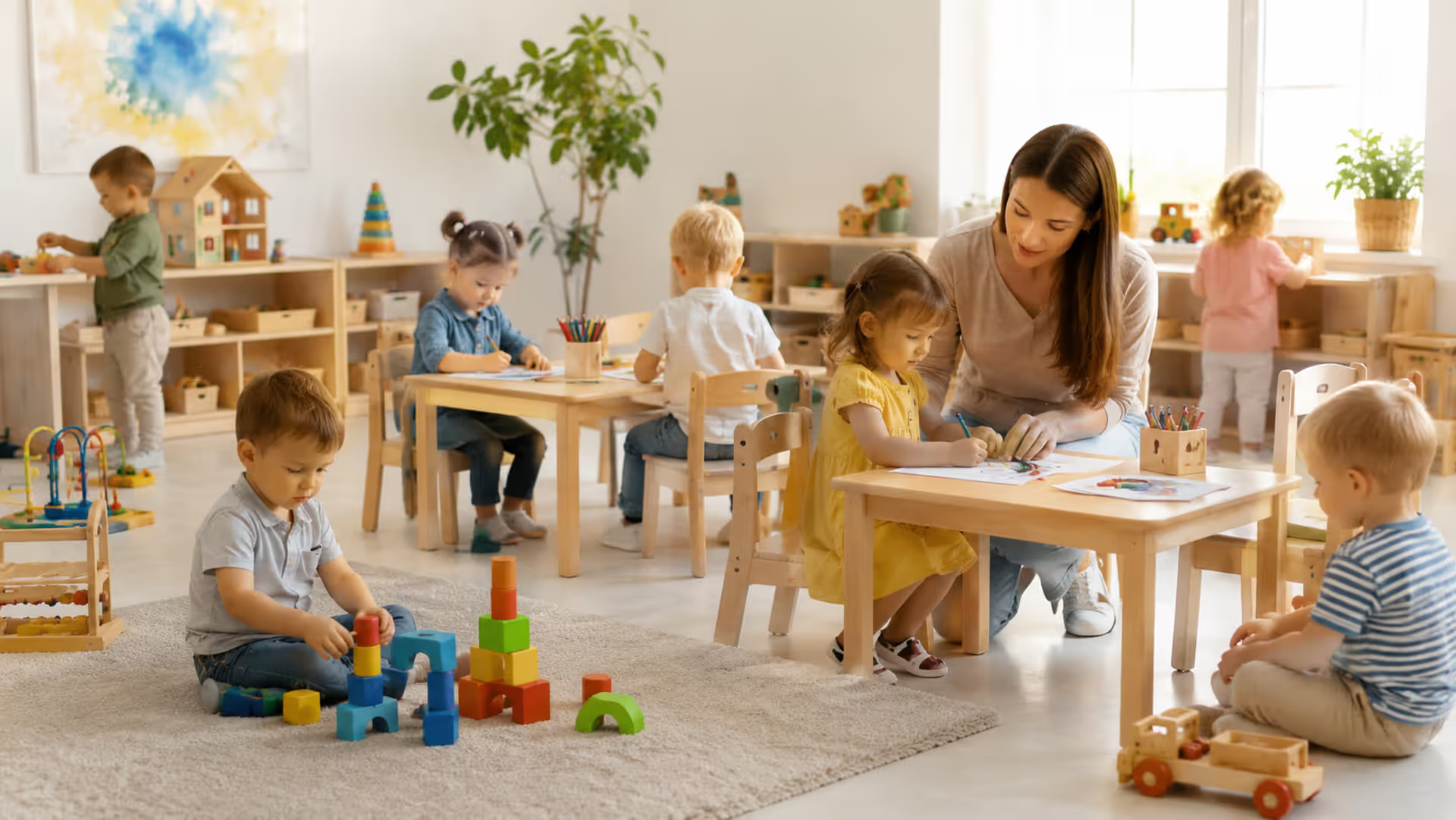
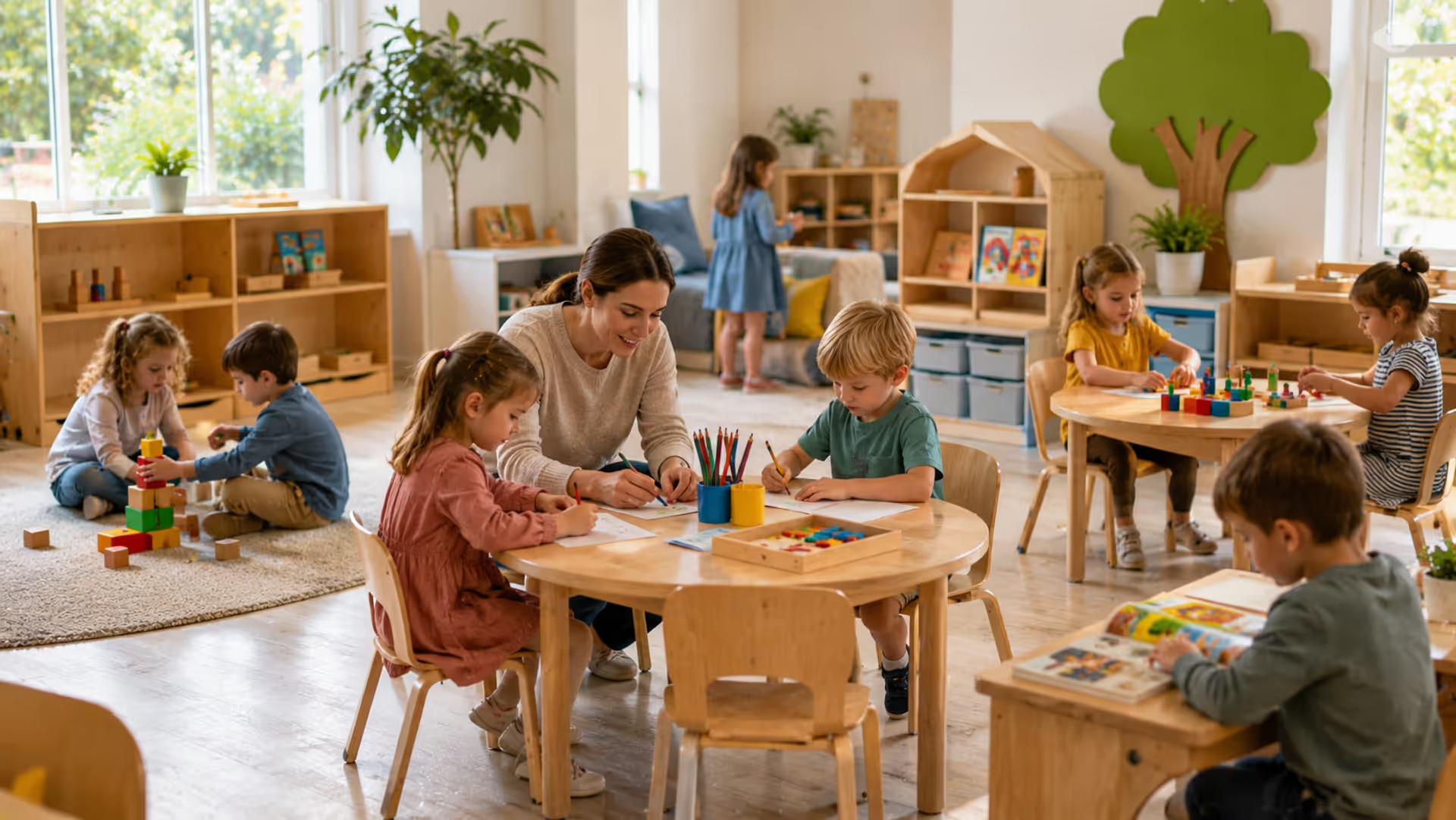
Preschool children learning and playing in modern classroom with teacher
Preschool Curriculum Guide

Content
Choosing a preschool for your child means understanding what happens behind those colorful classroom doors. You're not just picking a place for arts and crafts—you're selecting an educational foundation that shapes how your child learns, plays, and grows during some of the most formative years. The curriculum matters more than you might think, and the differences between programs can be striking. Some preschools follow your child's interests wherever they lead. Others stick to structured lesson plans. Most fall somewhere in between. Let's break down what actually happens in quality preschool programs and how to spot the approach that fits your child.
What Children Learn in Preschool
Preschool isn't mini-kindergarten. It's a distinct developmental stage where children build skills through experiences that look nothing like traditional school.
Core developmental areas cover four main domains. Cognitive development includes problem-solving, memory, and early academic concepts like counting and letter recognition. Social-emotional growth teaches children how to share, manage frustration, and build friendships. Physical development strengthens both large muscles (running, climbing) and small ones (holding crayons, using scissors). Language skills expand vocabulary, listening comprehension, and early communication.
Age-appropriate milestones for 3-to-5-year-olds typically include recognizing some letters and numbers, counting to ten or higher, following multi-step directions, and engaging in cooperative play. But here's what parents often miss: the timeline varies wildly. One child might read simple words by age four while another focuses on building elaborate block structures. Both are learning exactly what they need.
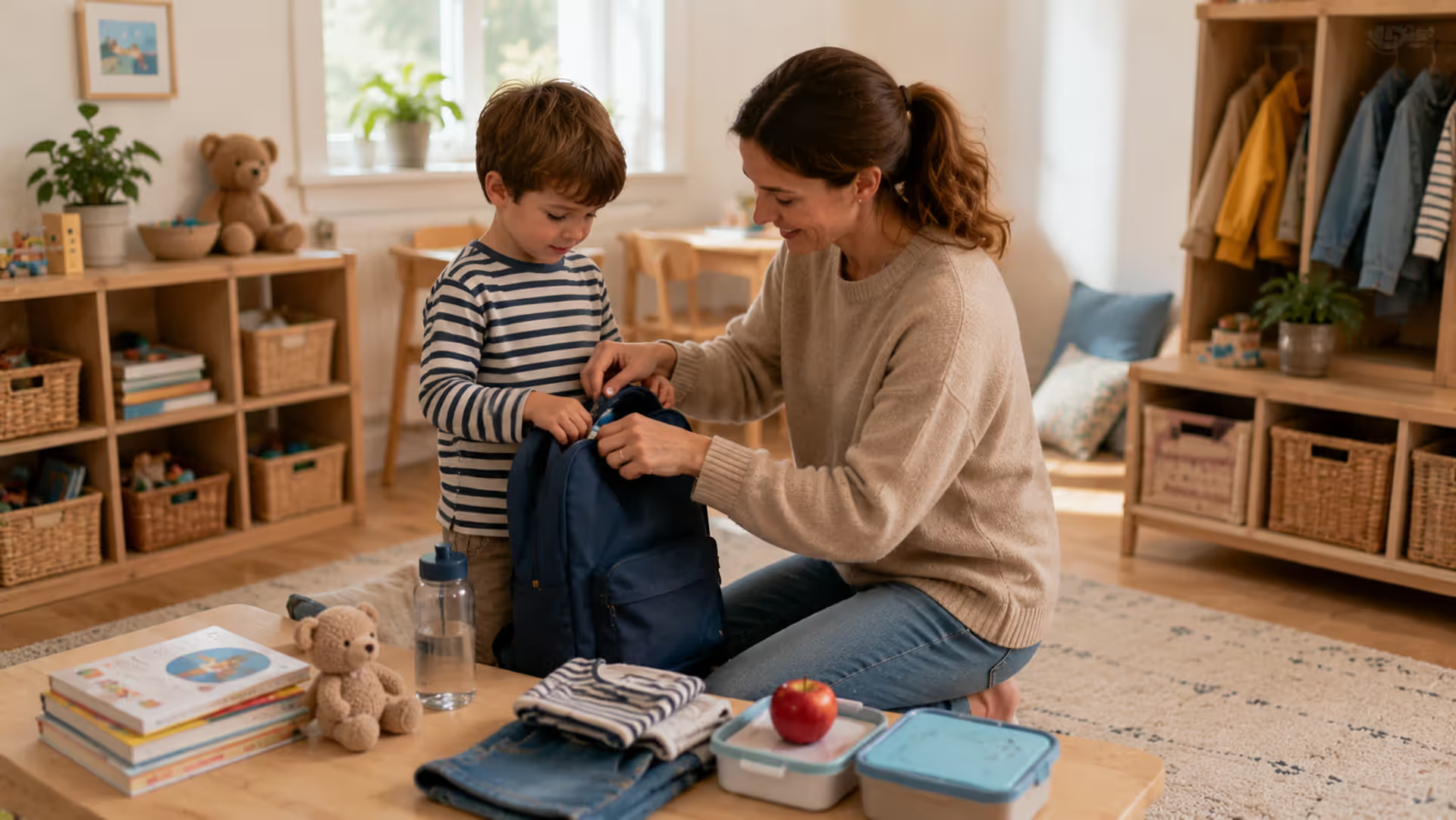
Real-world skills matter more than worksheet completion. Can your child zip their coat? Take turns during a game? Ask for help when frustrated? Express ideas in complete sentences? These capabilities predict school success better than knowing the alphabet early.
The pattern I see most often is parents worrying about academic readiness while overlooking the social skills that actually determine kindergarten adjustment. A child who can't sit through circle time will struggle more than one who doesn't know all their letters yet.
Author: Hannah Whitaker;
Source: raynet-merseyside.net
Common Preschool Teaching Approaches
Different philosophies produce dramatically different classroom experiences. Understanding these approaches helps you recognize what you're seeing during tours.
Play-Based Learning
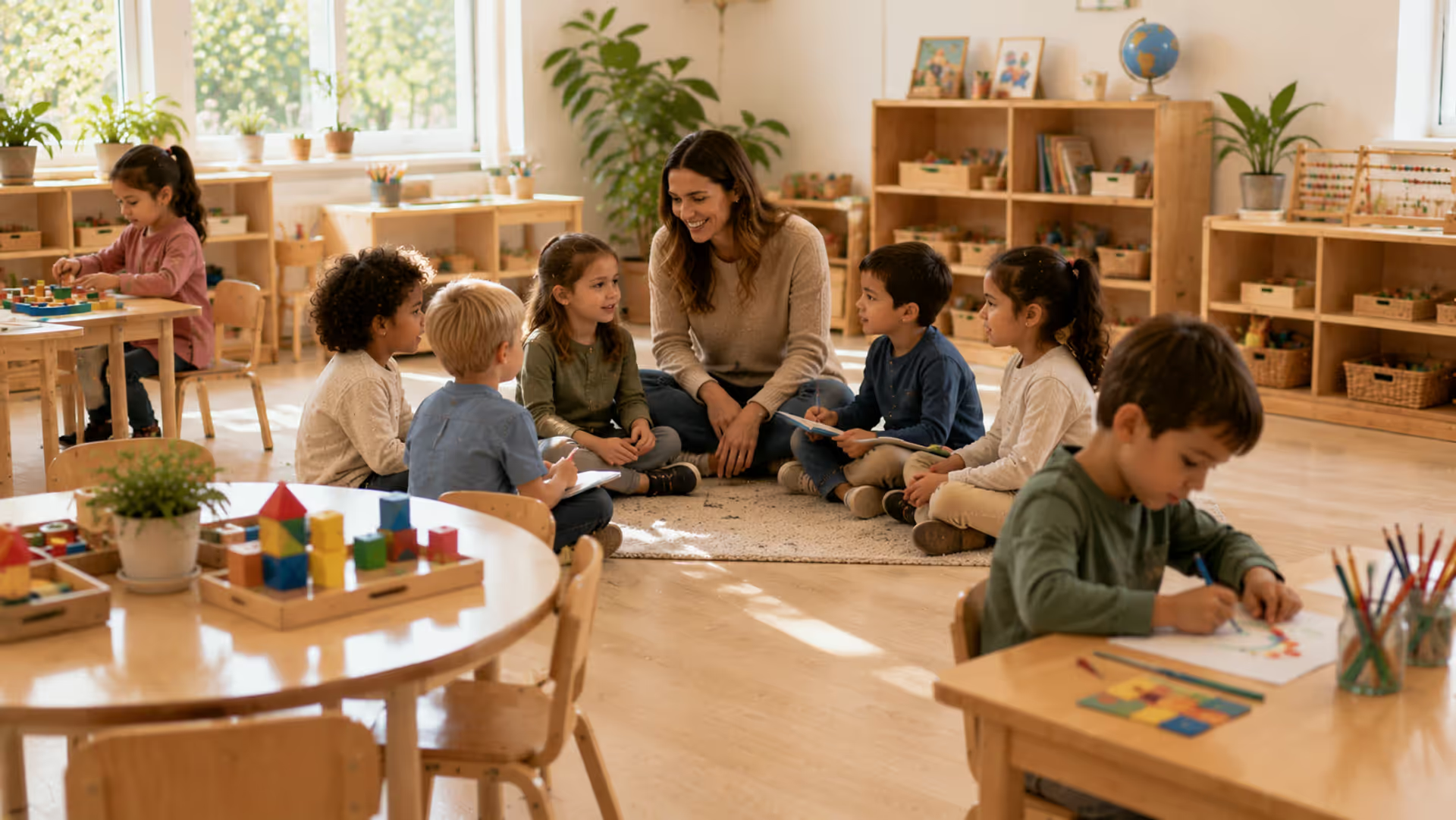
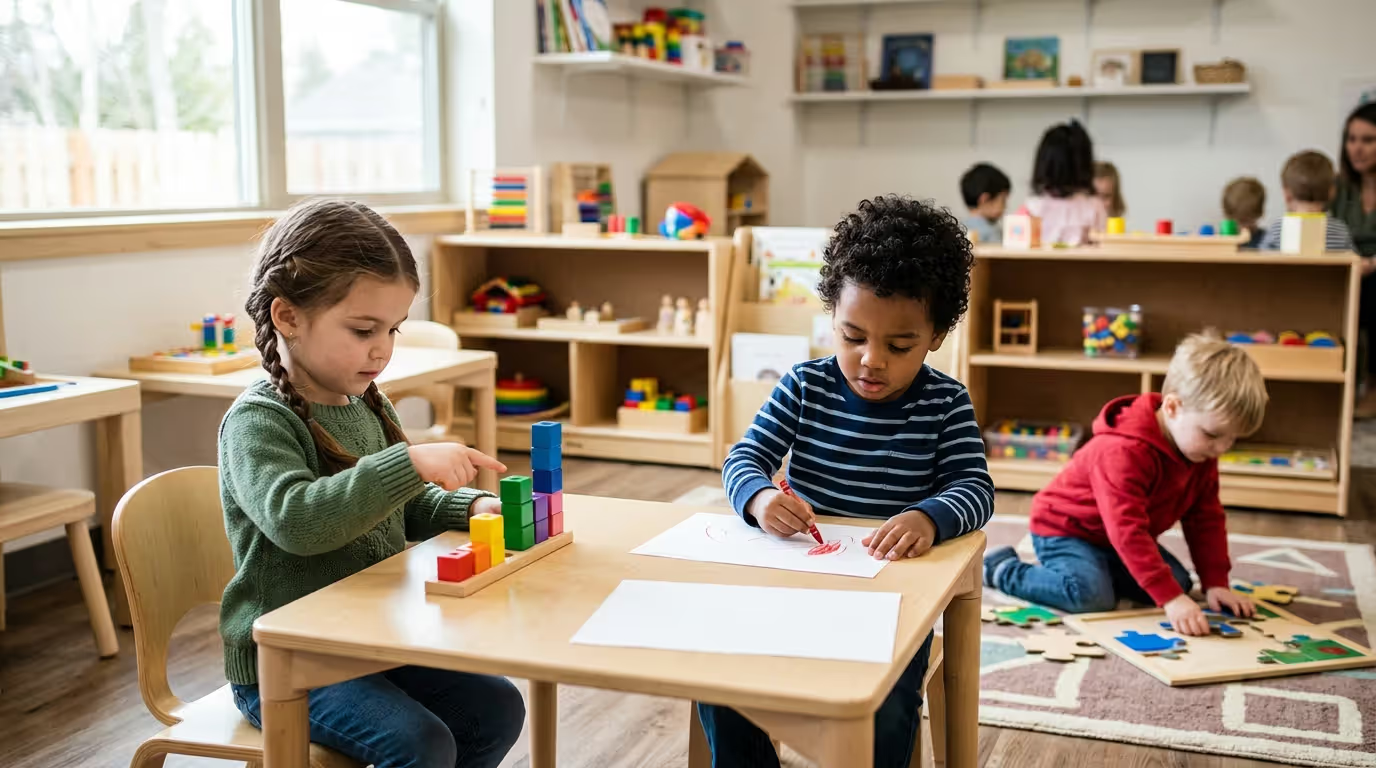
Play-based preschool curriculum treats play as the primary learning vehicle. Children choose activities from prepared options—blocks, dramatic play, art stations, sensory tables. Teachers observe, ask questions, and extend learning through these self-directed experiences.
This approach trusts that children learn best when genuinely engaged. A child building with blocks explores physics, spatial relationships, and problem-solving without a formal lesson. Two kids running a pretend restaurant practice math, literacy, and social negotiation simultaneously.
Critics worry play-based programs lack structure. Quality programs balance free play with intentional teaching moments and small-group activities. The structure exists—it's just less visible than rows of desks.
Emergent Curriculum
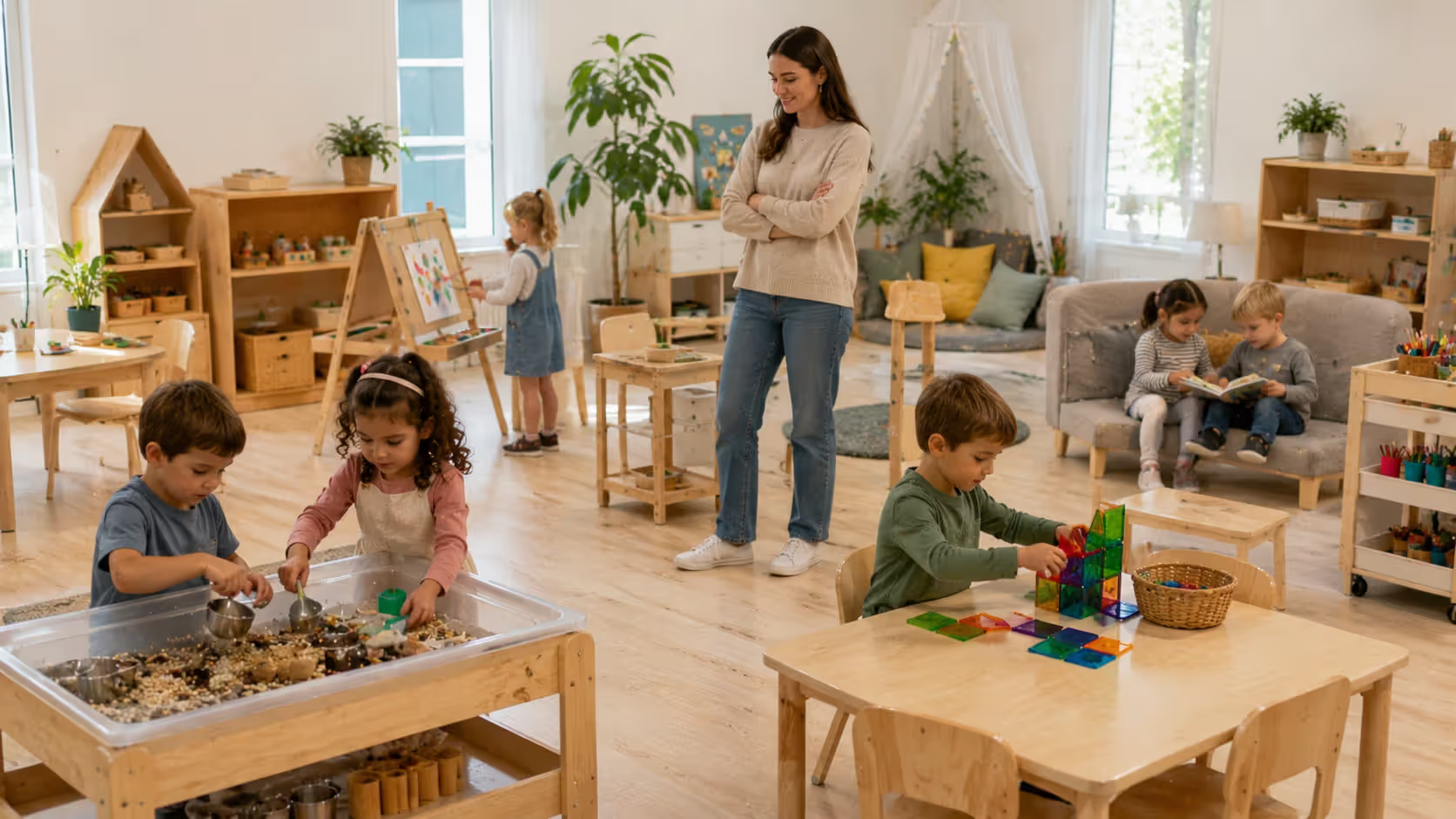
Emergent curriculum preschool programs plan around children's demonstrated interests. If kids become fascinated with construction vehicles during outdoor play, teachers might introduce books about machines, set up a building site in the dramatic play area, and explore measurement using toy trucks.
This approach requires skilled teachers who can identify learning opportunities and pivot quickly. It's highly responsive but demands more preparation than following a predetermined theme schedule. The curriculum literally emerges from classroom observations rather than a planning book purchased in August.
Author: Hannah Whitaker;
Source: raynet-merseyside.net
Structured vs Unstructured Programs
The structured vs unstructured preschool debate creates false extremes. Most programs blend both elements.
Highly structured programs follow predetermined schedules with specific learning objectives for each activity. Circle time happens at 9:15. Math concepts are introduced on Tuesdays. Everyone completes the same art project.
Unstructured programs allow children maximum choice throughout the day. Teachers prepare the environment but children direct their own learning path with minimal whole-group instruction.
The middle ground—structured flexibility—works best for most children. Consistent routines provide security. Predictable transitions reduce anxiety. But within that framework, children need autonomy and choice. A schedule might block 45 minutes for centers, but children choose which centers to explore and how long to stay.
Here's a comparison of major teaching philosophies:
| Approach | Structure Level | Teacher Role | Child Choice | Daily Schedule | Assessment | Best Suited For |
| Play-Based | Low to Medium | Facilitator, observer | High—children select activities | Flexible blocks of time | Observational notes, portfolios | Children who thrive with autonomy |
| Montessori | Medium | Guide, individual instructor | High—within prepared environment | Self-directed work periods | Individual progress tracking | Independent learners, wide age range |
| Reggio Emilia | Medium | Co-learner, documenter | Very High—project-based | Flexible, project-driven | Documentation panels, portfolios | Creative, collaborative children |
| HighScope | Medium to High | Active participant | Medium—plan-do-review cycle | Structured routine with choice time | Key Developmental Indicators | Children who need predictable structure with autonomy |
| Traditional Structured | High | Instructor, director | Low—teacher-led activities | Fixed schedule, whole-group focus | Skill checklists, assessments | Children who prefer clear expectations and routine |
Key Learning Goals by Developmental Area
Quality preschool programs address multiple developmental domains simultaneously. A single activity often targets several goals at once.
Literacy and language development builds the foundation for reading without formal reading instruction. Preschool literacy activities include rich conversations during meals and transitions, daily read-alouds with discussion, exposure to print in meaningful contexts (labels, signs, name cards), rhyming games and songs, and storytelling with props or puppets.
Children should leave preschool understanding that print carries meaning, recognizing most letters, identifying some letter sounds, and demonstrating phonological awareness through rhyming and syllable clapping. They don't need to read yet. That's kindergarten's job.
Math and science readiness happens through hands-on exploration. Children sort objects by attributes, compare quantities, recognize patterns, measure ingredients during cooking, observe cause and effect, and ask questions about natural phenomena. These experiences build number sense and scientific thinking more effectively than worksheets.
Social skills and emotional regulation might be the most important preschool outcomes. Children learn to identify and express feelings, resolve conflicts with peer support, wait for their turn, collaborate on projects, and develop empathy through guided interactions.
Teachers scaffold these skills constantly. "I see you're frustrated that Maya took the red crayon. What could you say to her?" This coaching builds emotional vocabulary and problem-solving strategies.
Fine and gross motor skills develop through purposeful activities. Fine motor practice includes threading beads, using scissors, manipulating playdough, and working puzzles. Gross motor development comes from climbing structures, throwing and catching balls, dancing, and riding tricycles.
These aren't just "playtime"—they're building the muscle control needed for writing, the core strength for sitting at desks, and the coordination for sports.
Creative expression gives children opportunities to communicate ideas non-verbally, experiment with materials, make choices and see consequences, and develop confidence in their abilities. Open-ended art experiences (where everyone's product looks different) support this better than craft projects where everyone makes identical turkeys.
Daily Activities and Learning Experiences
Walk into a quality preschool during the day and you'll see organized chaos—purposeful activity that looks deceptively simple.
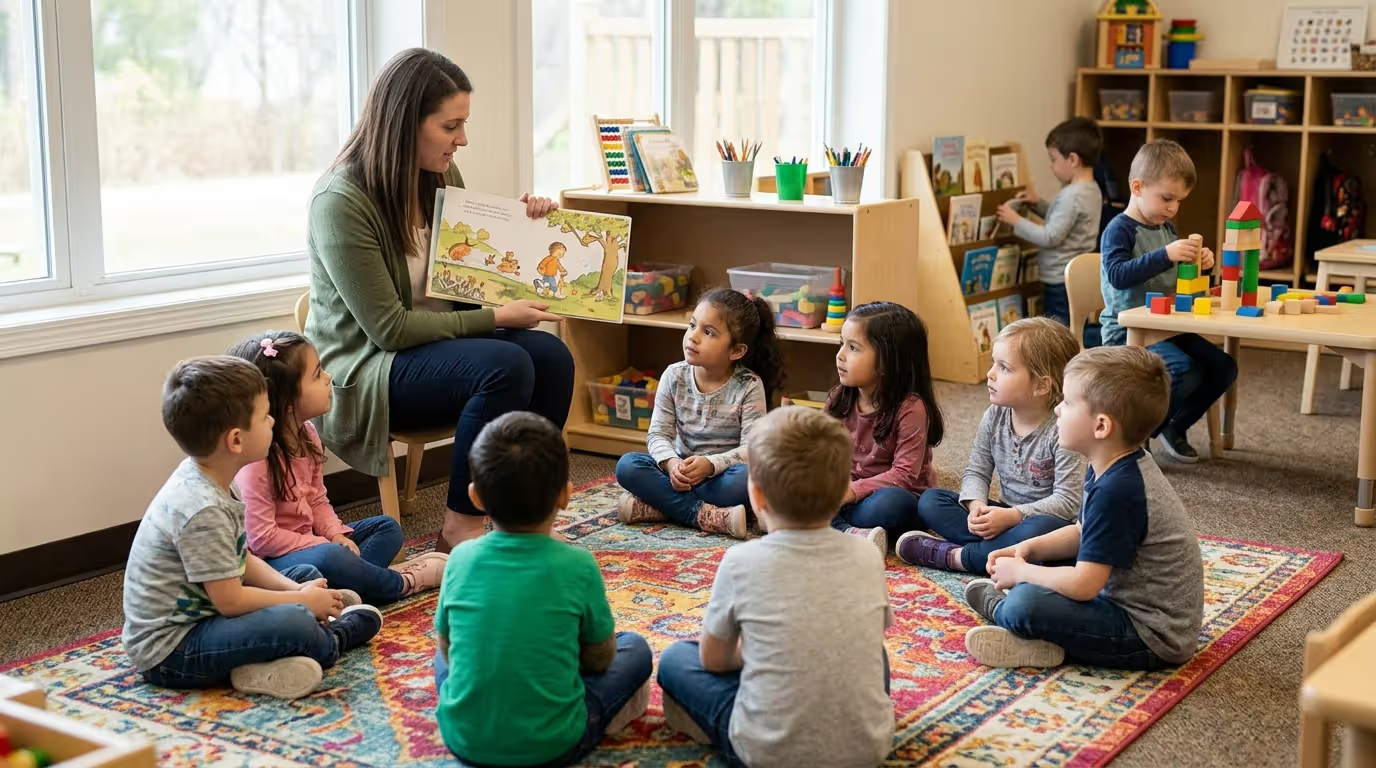
Preschool literacy activities weave throughout the schedule. Morning message boards welcome children with simple text. Name cards help with attendance and job charts. The library corner invites browsing. During small groups, teachers might play letter-sound matching games, practice writing names, or sequence story cards. Dramatic play areas include notepads for taking orders, clipboards for doctors' offices, and keyboards for offices.
Phonics games at this age stay playful. "I Spy" with beginning sounds. Clapping syllables in classmates' names. Singing alphabet songs with actions. The goal is building awareness, not memorization.
STEM exploration happens at water tables (volume and flow), block areas (engineering and physics), cooking projects (measurement and transformation), nature walks (observation and classification), and simple experiments like mixing colors or growing plants.
The best preschool activity ideas connect to children's questions. Why does ice melt? What happens if we add too much water to playdough? Can we build a ramp for the cars? Teachers who follow these curiosities create memorable learning.
Art, music, and movement appear daily in varied forms. Process art with open-ended materials, music and movement activities, instrument exploration, and creative dramatics all support different learning styles and intelligences.
A common mistake is undervaluing these activities as "extras." They're core curriculum. A child painting at an easel practices fine motor control, color recognition, planning, and self-expression simultaneously.
Outdoor play and physical development aren't recess—they're planned learning time. Quality programs offer 60-90 minutes of outdoor time daily, weather permitting. Children develop spatial awareness, risk assessment, cooperation, and physical confidence while appearing to "just play."
Practical life skills teach independence and build confidence. Children serve themselves at snack, clean up spills, put away materials, and help with classroom jobs. These Montessori-inspired activities develop concentration, coordination, and self-sufficiency.
Author: Hannah Whitaker;
Source: raynet-merseyside.net
Popular Preschool Themes Throughout the Year
Preschool themes organize learning around topics that engage children's natural curiosity. Done well, themes integrate multiple subject areas. Done poorly, they become forced crafts loosely connected to a topic.
How themes support integrated learning becomes clear with a strong example. A theme on "community helpers" might include reading books about different jobs, visiting a fire station, setting up a post office in dramatic play, graphing favorite helpers, and discussing how helpers make communities safe. Children encounter literacy, math, social studies, and language arts through one cohesive topic.
Seasonal and interest-based theme examples typically follow a yearly pattern: fall themes (apples, pumpkins, leaves), winter themes (hibernation, snow, holidays), spring themes (growth, rain, insects), and summer themes (ocean, sun, camping). Many programs also include evergreen themes like transportation, families, colors, or animals.
But here's where it gets interesting. Emergent curriculum preschool approaches let children's interests drive theme selection. If your class becomes obsessed with dinosaurs in March, you follow that energy rather than forcing a predetermined "spring flowers" theme.
Balancing teacher-planned vs child-led themes creates the sweet spot. Teachers might plan broad themes for the year but remain flexible. They observe what captures attention and extend those interests. A planned farm theme might shift to focus heavily on tractors if that's what excites the group.
The simpler option usually wins here. Overplanning every detail of a theme leaves no room for children's ideas. A loose framework with space for spontaneity works better.
Author: Hannah Whitaker;
Source: raynet-merseyside.net
How to Evaluate a Preschool Curriculum
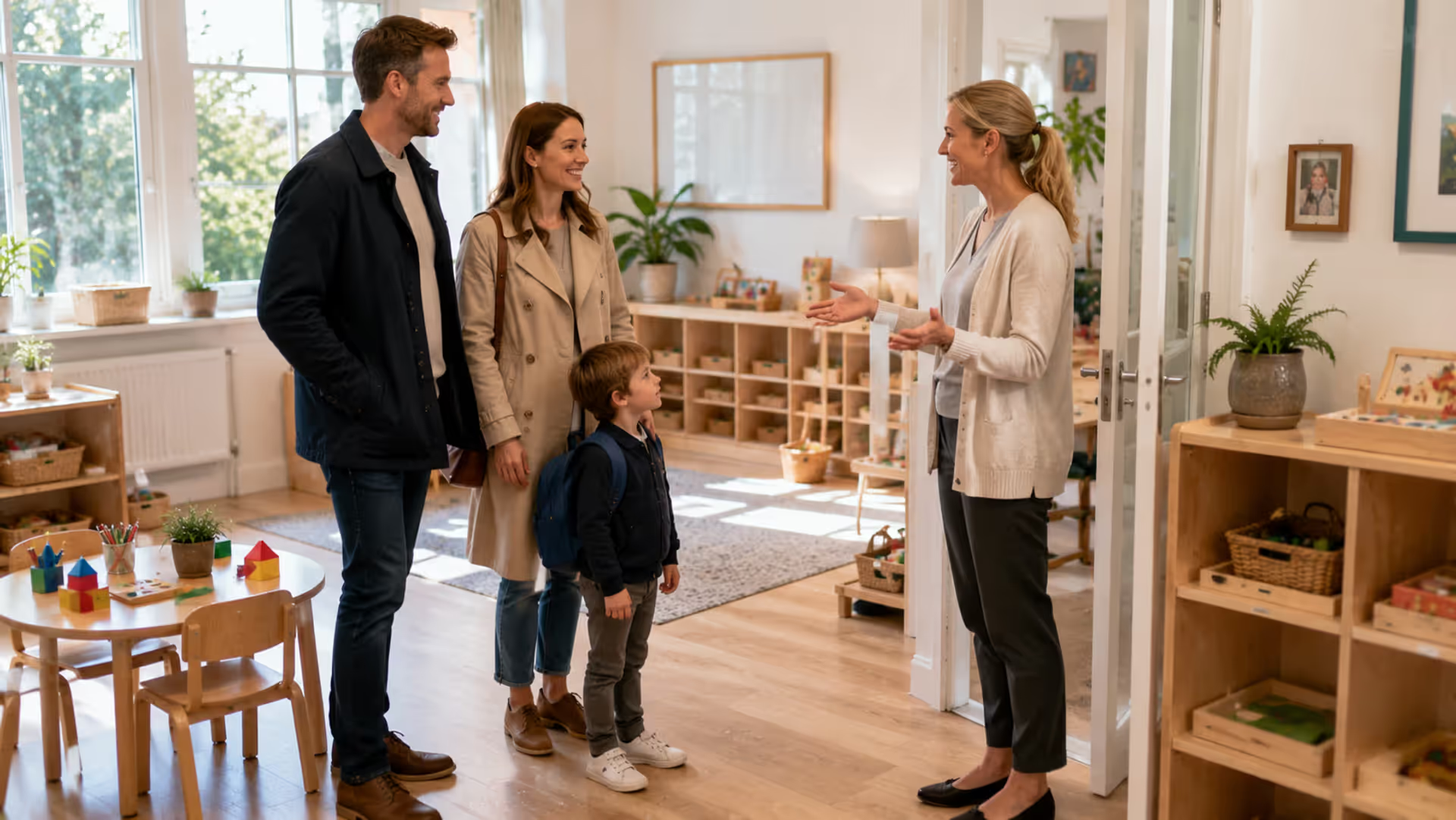
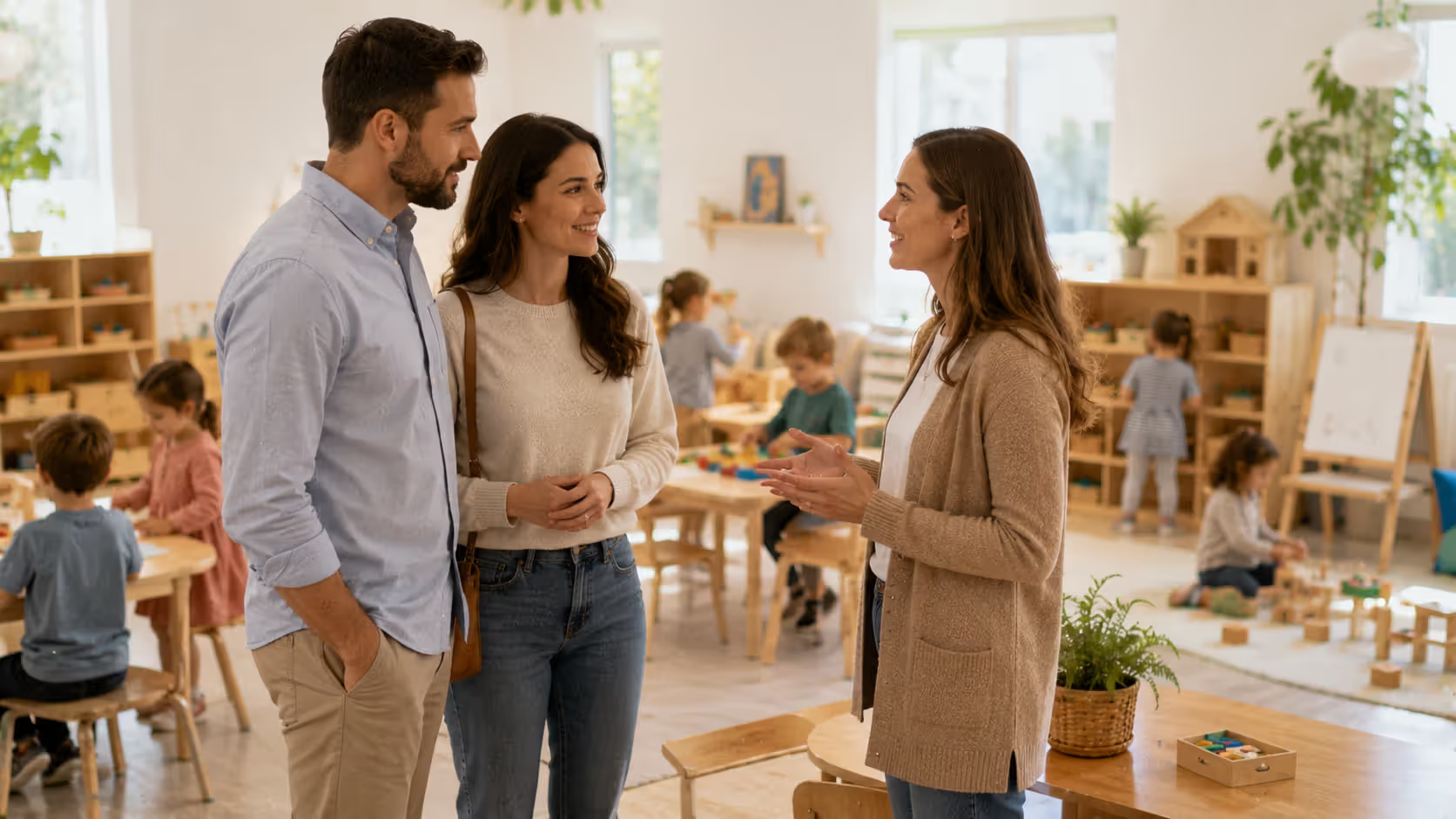
Touring preschools can feel overwhelming when you don't know what you're looking for. These questions cut through the marketing language.
Questions to ask during tours should include:
- How do you decide what to teach each day?
- Can you walk me through a typical schedule?
- How do you incorporate literacy and math without formal instruction?
- What does assessment look like here?
- How much time do children spend in teacher-directed vs child-chosen activities?
- How do you handle different learning paces and styles?
- What happens if my child isn't interested in the planned activity?
Listen carefully to whether teachers talk about individual children or "the class." Strong programs differentiate.
Red flags and quality indicators tell you what to watch for. Red flags include excessive screen time, long periods of whole-group instruction, children waiting in lines frequently, identical art projects on every cubby, and teachers who can't articulate their teaching philosophy.
Quality indicators include children engaged and focused during activities, a variety of activity types available simultaneously, teachers asking open-ended questions, children moving freely between areas, evidence of individual work (portfolios, documentation), and a balance of quiet and active spaces.
You should see children talking to each other, not just to teachers. You should see some productive mess—active learning isn't tidy.
Matching curriculum to your child's learning style matters more than finding the "best" program. A highly structured environment might help an anxious child feel secure or overwhelm a spirited one. An emergent curriculum might excite a curious child or leave a routine-loving one feeling unmoored.
Consider your child's temperament, attention span, and how they handle transitions and choices. Then look for alignment. There's no universal best preschool curriculum—only the best fit for your specific child.
Play is not a break from learning. It is the way young children learn. When we create rich play environments and support children's exploration, we're not being permissive—we're being developmentally appropriate.
— Hirsh-Pasek Kathy
FAQ: Preschool Curriculum Questions Answered
Preschool curriculum shapes daily experiences that build your child's foundation for learning. The teaching approach determines whether your child spends the day following their curiosity or completing prescribed activities. The learning goals reveal whether the program prioritizes social development or academic preparation. The activities show you what "school" will mean to your three- or four-year-old.
You don't need to become an early childhood education expert to choose wisely. You need to understand the options, recognize quality when you see it, and trust your knowledge of your child. A curriculum that excites one child might frustrate another. The program that worked perfectly for your neighbor's daughter might not suit your son.
Visit multiple programs. Watch the children's faces during activities. Notice whether they seem engaged or compliant. Ask questions until you understand not just what happens each day, but why. The right preschool curriculum doesn't just prepare your child for kindergarten—it nurtures their natural love of learning during a critical window when curiosity runs high and formal schooling hasn't yet taught them to worry about right answers.
Your child will spend thousands of hours in this environment. Choose a curriculum that respects how they learn best, honors their developmental stage, and creates joyful experiences that build competence and confidence. That's the foundation that matters.